Kaohsiung on the map: why this harbor now matters for luxury stays
Kaohsiung’s harbor used to be a place you passed on the way to Kenting or Taroko, not a waterfront you planned an entire trip around. That has changed quietly yet decisively, and any serious hotel guide to Taiwan now needs to treat the city as a primary stop rather than a footnote. For travelers who once stayed only in a hotel Taipei property before flying out, Kaohsiung’s harbor district now competes for that crucial extra night.
The Pier-2 Art Center anchors this shift, turning old warehouses into galleries, cafés and performance spaces that feel integral to any modern Taiwan travel itinerary. The circular light rail line now threads these piers to the rest of the city, so a Taiwan hotel near the harbor suddenly makes sense for both business and leisure bookings. You can check into one of the new Taiwan hotels along the water, drop your bags in the room, then walk straight to sunset drinks without ever crossing a highway.
For readers using a printed travel guide or a digital guide hotel platform, Kaohsiung’s harbor now sits alongside Taipei, Taroko National Park and Kenting as a core destination in Taiwan. The best hotels Taiwan wide increasingly treat Kaohsiung as a southern counterpart to hotel Taipei addresses, not a secondary port. That shift is visible in the international brands entering the market, the service standards on the waterfront, and the way major booking sites now surface Kaohsiung rooms in the same breath as classic Taiwan hotels in the capital.
The Amnis Kaohsiung and the new language of harbor luxury
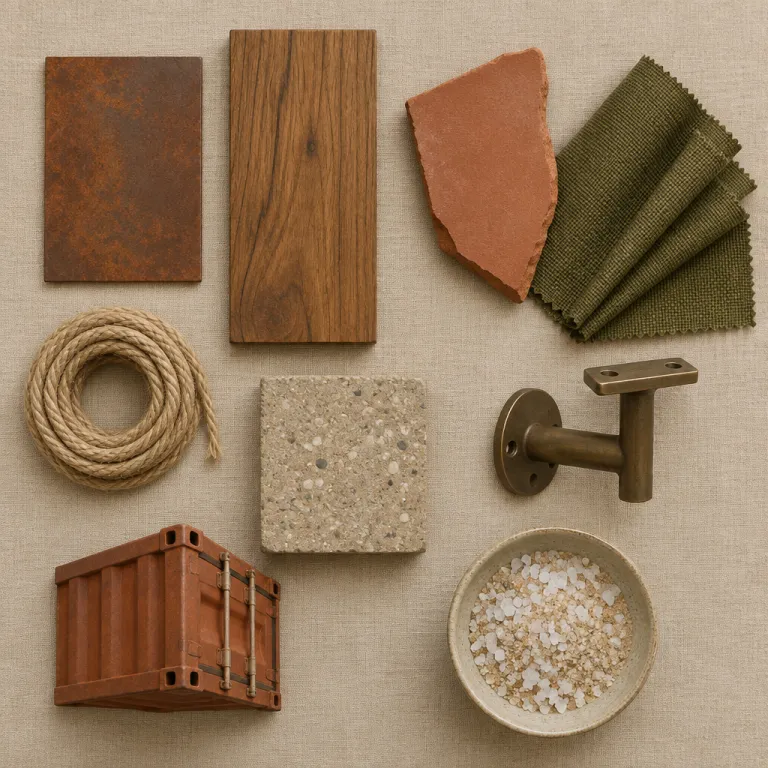
The clearest signal of confidence in Kaohsiung’s harbor is The Amnis Kaohsiung, part of Marriott’s Luxury Collection portfolio with 147 rooms facing the water. For a hotel guide Taiwan that tracks where global brands place their bets, this property marks the moment Kaohsiung stopped being a detour and became a destination. Its design leans into the harbor’s industrial past while delivering the kind of polished service that business leisure travelers expect after long Taiwan travel days.
Rooms are large by Taiwan hotel standards, with a typical double room offering a flat screen television, satellite channels, an electric kettle for late night tea and quietly efficient air conditioning. Many rooms are fully air conditioned with individual controls, which matters in Kaohsiung’s humid climate, and the average price often undercuts comparable hotels Taiwan wide in Taipei’s central districts. Some categories include access to hot springs style facilities or hot spring inspired pools, though these may carry an additional charge depending on the package you book.
Executives who have stayed both in a harbor facing room here and in a more traditional hotel Taipei property often comment on the contrast in pace. In Kaohsiung you can finish meetings, check emails, then walk five minutes from the lobby to the water instead of fighting traffic. If you are planning your route by High Speed Rail, read the detailed 90 minute HSR luxury hotel strategy in this dedicated guide to HSR linked hotels before deciding whether to base your trip in Taipei or split nights between cities.
From cranes to culture: Pier-2, light rail and the new waterfront rhythm
Walk the Pier-2 Art District today and it is hard to imagine this was once a purely functional container zone. Warehouses now host installations, small performance venues and design shops that feel aligned with the more creative side of any hotel guide Taiwan rather than with freight schedules. The light rail glides past murals and sculpture parks, linking harbor hotels with Kaohsiung’s cultural core in a way that makes car free travel realistic.
For guests who have stayed in older Taiwan hotels near industrial ports, the difference here is the way hospitality has been woven into public space. You can step out from your hotel into shaded promenades, then ride the light rail to the night market without needing a taxi, which changes how you plan each night of your trip. This ease of movement matters for business leisure travelers who want to check in, attend meetings, then reclaim the evening without logistical friction.
As Kaohsiung’s harbor evolves, it also raises questions about preservation that echo debates in other Taiwan travel hubs. Readers interested in how heritage buildings become hotels Taiwan wide should look at this in depth piece on shophouse conversions, which offers context for what may come next along Kaohsiung’s waterfront. The same tension between respecting industrial history and creating the best possible hotel experience will shape future rooms, lobbies and public terraces here.
Dining clout: Michelin moves south and Kaohsiung answers taipei
Kaohsiung’s harbor transformation is not only about where you sleep; it is also about where you eat. When the Michelin Guide Taiwan awarded Kaohsiung its first star at Habu, the city’s dining scene finally gained the kind of headline that shifts itineraries in any serious travel guide. That star, combined with 21 Bib Gourmand listings out of 146 across Taiwan, signals that a night in Kaohsiung can now rival a night in Taipei for ambitious diners.
For travelers using platforms such as Agoda or Expedia, this matters because booking a hotel near the harbor now doubles as booking proximity to serious food. You can check into a Taiwan hotel with harbor views, confirm your room category, then walk or take a short ride to Habu or to one of the Bib Gourmand addresses without crossing half the city. Many hotels Taiwan wide have upgraded their concierge service in response, helping guests secure tables and plan pre or post dinner walks along the water.
Street level, the city still leans into its night market culture, which remains a core part of any Taiwan travel experience. The difference now is that you can pair a refined tasting menu with a late night market stroll, then return to an air conditioned room with a flat screen, satellite channels and a quietly humming electric kettle waiting. For readers comparing hotel Taipei options with Kaohsiung harbor hotels, the question becomes simple: do you want your one southern night to be about temples in Tainan, or about cranes, culture and a Michelin starred dinner by the port.
Kaohsiung versus Tainan and the practicalities of getting south
Travelers planning Taiwan travel often face a choice: one night in Tainan’s lanes or one night on Kaohsiung’s harbor. Both cities now appear in any balanced hotel guide Taiwan, but they pitch different moods to the same business leisure traveler. Tainan leans into history and shrines, while Kaohsiung offers light rail, water views and a skyline that feels more aligned with international hotels.
From Taipei, the Taiwan High Speed Rail to Zuoying station takes around 90 minutes on the fastest services, which makes a same day trip to the south realistic for tight schedules. Many readers use booking tools such as Agoda or Expedia to align train times with check in windows, ensuring that their room is ready on arrival and that any additional charge for early access is clear. Once you arrive, taxis and the metro link Zuoying to the harbor district quickly, so a Taiwan hotel on the water can function as a practical base even for short trips.
In terms of hardware, Kaohsiung’s newer Taiwan hotels tend to offer larger rooms, strong air conditioning, modern flat screen televisions and reliable satellite channels as standard. Some harbor properties include access to hot springs inspired facilities or a private hot spring pool, sometimes with a small additional charge, which can be appealing after meetings or a long travel day. When you compare the average price of a double room here with a similar category in a central hotel Taipei property, Kaohsiung often delivers better value per night without compromising on service or waterfront atmosphere.
FAQ
Is Kaohsiung’s harbor a good base for a first trip to Taiwan?
Kaohsiung’s harbor works well as a base if you want a mix of culture, water views and easy transport. The light rail and metro connect harbor hotels to the rest of the city, and the High Speed Rail at Zuoying keeps Taipei within about 90 minutes. For a first trip, pairing a few nights in a hotel Taipei property with one or two nights on the Kaohsiung waterfront offers a balanced view of Taiwan.
How does Kaohsiung compare with Tainan for one night in the south?
Tainan focuses on temples, historic streets and traditional snacks, while Kaohsiung’s harbor emphasizes contemporary culture, design forward hotels and water facing promenades. If you value heritage and slower walks, Tainan may suit you better, but if you want modern rooms, strong air conditioning and easy access to both Michelin level dining and night market snacks, Kaohsiung has the edge. Many travelers now split their southern night across trips, choosing Tainan once and the harbor district the next time they visit Taiwan.
Are Kaohsiung harbor hotels good for business travelers extending a work trip?
Yes, the harbor district is particularly strong for business leisure travelers who want to extend a Taipei based work trip. You can finish meetings in the capital, take the High Speed Rail south, then check into a harbor hotel where rooms are designed for both laptop time and relaxation. Reliable Wi Fi, quiet air conditioned spaces and easy access to dining make these Taiwan hotels practical for working by day and exploring by night.
What should I look for when booking a Kaohsiung harbor hotel online?
When using platforms such as Agoda or Expedia, pay attention to whether the property is directly on the waterfront or a few blocks inland, as this affects both views and walking routes. Check room descriptions carefully for details such as air conditioning, flat screen televisions, satellite channels and any additional charge for access to pools or hot springs style facilities. Reading recent guest reviews about service quality and noise levels will help you choose the best match for your trip style.
Can I visit Taroko or Kenting easily from Kaohsiung’s harbor?
Kenting is relatively straightforward to reach from Kaohsiung, with buses and private transfers running from the city to the beaches, so some travelers base themselves on the harbor for a night before heading south. Taroko National Park is more complex from Kaohsiung and usually works better combined with a Taipei or Hualien stay, though you can cross the island by rail if you have more time. For most itineraries, Kaohsiung’s harbor pairs naturally with Taipei and Kenting, while Taroko fits into a separate loop on another trip.