Reading resort Taiwan through its hot spring map
Think of resort Taiwan as a constellation of thermal villages, each with its own rhythm. The way locals choose a hot spring resort for a winter night in Taipei County is very different from how they plan a slow weekend in Tainan County. Understanding those choices helps you book the right hotel resort instead of just any property with a pool and a pretty lobby.
For solo travelers, the first decision is not which hotel has the most luxurious rooms, but which mineral water matches your body and mood. Sulfur hot springs near Taipei City feel sharp and invigorating, while sodium bicarbonate springs in Yilan County are softer and kinder to the skin. Mud hot springs in the south are heavier, grounding you in a way that pairs well with slow travel and long conversations with other guests.
Locals rarely talk about “the best luxury hotels in Taiwan” in the abstract. They talk about where to book a room in Beitou after a long week in the city, or which resorts Taiwan regulars prefer when they want a quiet outdoor pool instead of a crowded swimming pool. When you read resort Taiwan this way, you stop chasing generic luxury and start following the same seasonal rotation that Taiwanese hot spring enthusiasts quietly swear by.
Beitou and Wulai: urban sulfur and riverside steam near Taipei
If you are starting in Taipei, Beitou is your easiest entry into resort Taiwan. The district sits on the city’s northern edge, where volcanic activity feeds some of the island’s most famous sulfur hot springs. You can ride the metro from central Taipei City, step off in Beitou, and be soaking in a private hot spring room before the night traffic even builds.
Beitou’s sulfur springs are known for circulation and muscle relaxation, which makes them ideal after long flights or late hotel check ins. Many luxury hotels here offer both public pools and private rooms, so solo guests can choose between quiet immersion and more social bathing. Japanese style ryokan inspired properties line the valley, and several hotels include free WiFi, onsen style etiquette briefings, and thoughtful touches like yukata robes laid out in your room.
Wulai, south of Taipei, feels wilder yet still works as a quick escape from the city. The hot spring water here is clear and soothing, and the valley carries a strong Atayal indigenous presence that shapes everything from riverside pools to local food. If you are planning a shoulder season trip, this guide to Taiwan’s insider shoulder season explains why early autumn nights in Wulai can be one of Taiwan’s best wellness experiences.
Jiaoxi, Yilan County: sodium bicarbonate comfort for skin and sleep
Cross to the east coast and Jiaoxi in Yilan County shows a softer side of resort Taiwan. Here the hot springs are rich in sodium bicarbonate, often called “Beauty Soup” by Taiwanese travelers for their reputation as skin friendly waters. The sensation is silky rather than sharp, which many solo guests find perfect after a long day of trains and city walking.
Jiaoxi’s hotels cluster around the station, so booking a room with an in room hot spring tub is straightforward even for first time visitors to Taiwan. Many properties position themselves as family friendly resorts, with shallow outdoor pools, small water slides, and free WiFi that keeps everyone connected between soaks. For solo travelers, look for smaller luxury hotels that offer quiet rooftop pools and late night access to private hot spring rooms.
The town works year round, but locals especially like Jiaoxi on cool, rainy days when the surrounding mountains disappear into mist. You can spend the afternoon rotating between public hot spring pools and your own hotel room tub, then walk out for a simple dinner of scallion pancakes and seafood from the nearby coast. If you are comparing resorts Taiwan wide, Jiaoxi is where comfort, accessibility, and value intersect, especially when you book through platforms like Agoda or directly with the hotel for midweek rates.
Guguan, Taichung: mountain air, Atayal culture and the “Beauty Soup” springs
Guguan, in the hills of Taichung City, is where resort Taiwan starts to feel properly alpine. The hot spring district sits along a river gorge, with mountain air that cools quickly once the sun drops behind the ridges. Here, sodium bicarbonate hot springs are again known as “Beauty Soup”, but the experience differs completely from Jiaoxi’s urban convenience.
The Guguan Hot Spring District carries a strong Atayal cultural atmosphere, visible in local crafts, food, and the way some riverside pools are designed. Properties like Hoshinoya Guguan have elevated the area into a serious contender among Taiwan’s best luxury hotels, blending minimalist rooms, private hot spring baths, and carefully framed views of forested slopes. Many guests book two or three nights here, using the resort as a base for slow hikes and long, meditative soaks rather than quick dips between city activities.
For solo travelers, Guguan rewards those who value silence and detail. Expect hotel resort layouts that prioritize privacy, with villas or suites opening directly onto outdoor pools or semi open air hot spring tubs. If you are planning a broader central Taiwan itinerary, pair Guguan with an urban stay such as the refined InterContinental Taichung, then move into the mountains once you have had your fill of city lights and rooftop swimming pools.
Guanziling, Tainan County: rare mud springs and slow southern nights
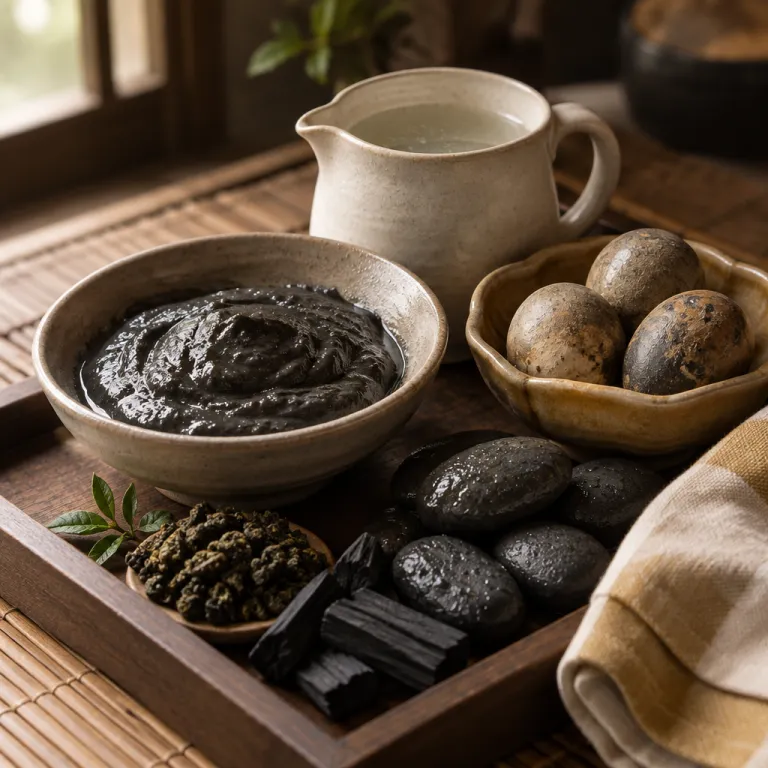
Guanziling in Tainan County is where resort Taiwan becomes truly niche. The area is famous for its rare mud hot springs, where mineral rich clay rises with the water and creates a dense, almost weightless bathing experience. This is not the clear, photogenic pool you see in Taipei hotel brochures, but locals consider it one of Taiwan’s best wellness rituals.
Mud hot springs here are believed to help with skin and joint comfort, though scientific evidence remains limited and nuanced. What is certain is the sensory impact ; the warmth, the texture, and the way a night soak in Guanziling slows your entire pace. Many small hotels and resorts offer both standard hot spring rooms and dedicated mud pools, so you can alternate between the two during your stay.
Because Guanziling sits away from major train lines, it attracts fewer casual tourists than Beitou or Jiaoxi. That lower footfall means quieter nights, simpler family run hotels, and a rhythm that suits solo travelers who prefer reading on a terrace to chasing city nightlife. When you compare resorts Taiwan wide, Guanziling will not win on polished luxury, but it consistently ranks high among guests who value character, tradition, and a very specific kind of hot spring experience.
From Sun Moon Lake to Taroko: how hot springs shape wider resort Taiwan
Once you understand Jiaoxi, Guguan, and Guanziling, the rest of resort Taiwan starts to fall into place. Around Sun Moon Lake, for example, several properties draw on nearby hot springs to offer private soaking pools with views of the water. Names like Lalu Sun Moon Lake and Silks Place Sun Moon Lake come up often when travelers compare the best luxury hotels in central Taiwan.
These lakeside resorts typically combine hot spring facilities with heated swimming pools, lake view rooms, and thoughtful wellness programming. Solo guests can spend the day on the water, then return to a quiet hot spring room before a multi course dinner that leans into local ingredients. Families, meanwhile, appreciate the way these hotels balance family friendly amenities like kids’ pools and free WiFi with enough quiet corners for adults to unwind.
On the east coast, properties near Taroko Gorge and Hualien sometimes pipe in hot spring water from nearby sources, creating small resort clusters that pair dramatic marble cliffs with steaming pools. When you read reviews or in depth pieces such as this analysis of Taiwan’s evolving hotel architecture, you see how hot springs influence not just wellness offerings but also design choices. Across resort Taiwan, the most interesting hotels are those that let the water, the landscape, and the local culture dictate the layout of rooms and pools rather than forcing a generic international template.
How locals actually book: seasons, platforms and reading the fine print
Ask frequent hot spring travelers how they navigate resort Taiwan and you will hear a clear pattern. Winter weekends are for Beitou or Wulai, when the air in Taipei City turns crisp and sulfur steam feels like a reward after a long week. Shoulder seasons send them to Jiaoxi or Guguan, where mountain rain and cooler nights make sodium bicarbonate springs especially inviting.
Many Taiwanese guests use platforms like Agoda for quick price comparisons, then call the hotel directly to confirm room types, hot spring access, and whether outdoor pools are open. They pay close attention to whether a hotel resort offers private in room hot spring tubs, shared public baths, or both, because that detail shapes the entire stay. Solo travelers often prefer smaller rooms with deep soaking tubs, while families look for larger rooms, shallow children’s pools, and clearly labeled family friendly zones.
When you book within resort Taiwan, read the fine print on hot spring facilities as carefully as you would on free WiFi or breakfast. Check whether the swimming pool is genuinely fed by hot springs or simply heated, and whether night access is available for late soaks after dinner. Over time, you will build your own rotation of favorite hotels and resorts, just as locals do, moving between sulfur, sodium bicarbonate, and mud springs as your body, schedule, and curiosity dictate.
Key figures that shape Taiwan’s hot spring travel
- Taiwan has more than 100 documented hot spring areas, making it one of the most densely endowed hot spring destinations in East Asia (data from Taiwan’s tourism authorities, recent reporting).
- Beitou’s geothermal valley can reach surface water temperatures above 80 °C, which is why hotel and public facilities must carefully mix and cool the water before it reaches guest pools (local environmental monitoring data).
- Green Island’s Zhaori Hot Spring is one of only three known saltwater hot springs in the world, a rarity that significantly shapes resort Taiwan itineraries for hot spring enthusiasts (global hydrothermal spring surveys).
- Sun Moon Lake and its surrounding townships consistently rank among Taiwan’s top domestic leisure destinations, with hot spring equipped resorts reporting some of the highest average room rates outside Taipei City (industry occupancy and rate reports).
FAQ: reading Taiwan’s hot spring regions like a local
Which hot spring region in Taiwan is best for first time visitors ?
For a first trip, Beitou and Jiaoxi are the most practical choices. Both are easy to reach by public transport, offer a wide range of hotels and resorts, and provide clear signage in English. Beitou suits travelers based in Taipei City, while Jiaoxi works well if you are exploring the east coast.
How do I choose between sulfur, sodium bicarbonate and mud hot springs ?
Sulfur springs, like those in Beitou, feel more stimulating and are often chosen for muscle relaxation after long days. Sodium bicarbonate springs in Jiaoxi or Guguan are gentler on the skin and popular for longer, more frequent soaks. Mud springs in Guanziling offer a heavier, more grounding experience that many travelers reserve for slower, contemplative trips.
Are private hot spring rooms common in Taiwan’s resorts ?
Private hot spring rooms are widely available in major hot spring regions, especially in mid range and luxury hotels. In Beitou, Jiaoxi, and Guguan, many rooms include in room tubs fed directly by hot spring water. When booking, always confirm whether the tub is genuinely hot spring fed or simply a standard bathtub with heated tap water.
When is the best season to visit Taiwan’s hot spring resorts ?
Winter is the classic season, with cooler air making outdoor pools and riverside baths especially appealing. Shoulder seasons, particularly early spring and early autumn, offer fewer crowds and more flexible booking options. Summer can still work in mountain regions like Guguan, where evenings cool down enough for comfortable night soaks.
What etiquette should I follow in Taiwanese hot spring facilities ?
Most hot spring resorts in Taiwan follow Japanese style etiquette. You shower thoroughly before entering the pool, soak without swimwear in gender separated indoor baths, and keep towels out of the water. In mixed gender outdoor pools where swimwear is required, quiet conversation is fine, but phones and photography are usually discouraged.