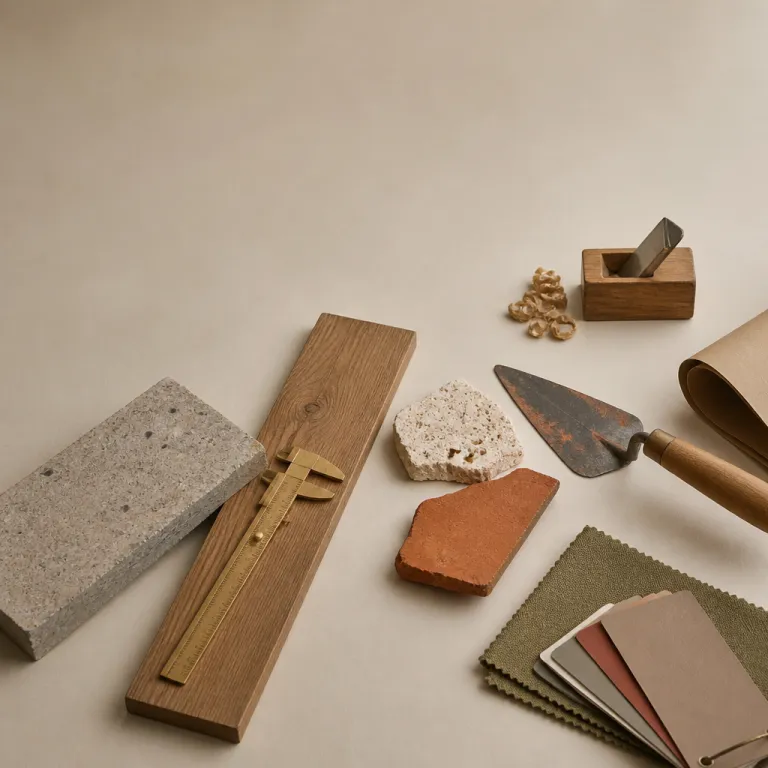
Hotel Taiwan 2026 as a design movement, not a date stamp
Hotel Taiwan 2026 is less a calendar marker and more a design manifesto for how the island now builds its most ambitious hotels. Across Taiwan, architects are trading anonymous imported finishes for concrete, cypress and coral stone that root every room in a specific landscape and culture. For travelers planning Taiwan travel, this shift quietly separates a generic hotel from a taiwan hotel that delivers a truly memorable stay.
Look at the new generation of luxury hotels in Taipei Taiwan, where exposed concrete frames skyline views and warm timber softens the taipei hot humidity. When you check into these hotels Taipei properties, the lobby already tells you whether the design language leans toward international aspiration or a proudly local story that could only belong to hotels Taiwan. For anyone comparing Taiwan hotels and trying to find the hotel best suited to their style, the material palette is now as important as the pool, the room size or the advertised rates.
Capella Taipei, designed by André Fu with just 86 rooms, is a sharp example of how hotel Taiwan 2026 thinking plays out in practice. The property won a Wallpaper Design Awards Best New Opening, and its concrete planes, bronze details and soft textiles create a calm counterpoint to the dense streets of Taipei Taiwan outside. When you check availability here, you are not just comparing room rates ; you are choosing a particular vision of luxury hotels that treats materiality as the backbone of a memorable stay rather than a decorative afterthought.
From Italian marble to island geology: why local materials now lead
For years, the default template for hotels luxury projects in Taiwan was simple ; import Italian marble, add a chandelier, call it luxury. Hotel Taiwan 2026 marks a pivot, as architects now mine the island’s own geology and forestry to create hotels Taiwan that feel grounded, tactile and unmistakably local. This is not a trend piece for design insiders only, but a practical guide for travelers who want their stay to reflect the island they came to experience.
Concrete is the new canvas for many Taiwan hotels, especially in Taipei and Taoyuan, where urban density and taipei hot summers demand cool, breathable structures. Raw concrete walls paired with timber screens in a hotel room keep temperatures stable at night, reducing the need for aggressive air conditioning and making each stay more comfortable. When you check room availability and rates for a taiwan hotel built this way, you are also choosing better acoustics, softer light and a more restful night in the middle of the city.
On the southern and offshore coasts, coral stone has become the signature of a different kind of hotel Taiwan 2026 property. These hotels luxury projects use coral stone in courtyards, spa corridors and pool decks, echoing traditional village houses while meeting modern sustainability standards. If you are planning Taiwan travel that includes lesser known island stays, look for properties highlighted in insider features on island hotels Taiwan that the mainland barely mentions, where coral stone and sea breezes define both the architecture and the slow rhythm of each night.
Cypress and hot springs: when forest culture meets wellness design
Head into the mountains and hotel Taiwan 2026 becomes a story of cypress, steam and silence. In regions like Alishan Chiayi and the hot spring valleys north of Taipei Taiwan, architects are using native cypress to line spa corridors, frame windows and scent entire floors. The result is a category of luxury hotels where the material palette turns every hot spring soak into a sensory guide to Taiwan’s forest culture.
In Alishan Chiayi, cypress has long been associated with temple carpentry and mountain railways, and now it shapes the way Taiwan hotels host solo travelers and families alike. When you check availability for a room in these properties, you are often choosing between cypress clad suites, concrete framed terraces and pool decks that look directly into cloud forests. The best hotels Taipei cannot replicate this feeling, which is why many travelers pair a city stay with a night or two in Alishan Chiayi for a more memorable stay.
Hot spring resorts near Yangmingshan and Beitou take the same material logic and apply it to wellness. Here, cypress ceilings, volcanic stone baths and carefully lit concrete corridors turn each hot spring pool into a private ritual rather than a crowded attraction. If you are planning Taiwan travel with family fun in mind, look for wellness focused hotels Taiwan that explicitly welcome children in the onsen ; our dedicated feature on hot spring hotels that welcome the whole family is a practical starting point before you check rates and reviews.
Taipei’s urban palette: concrete calm above the neon
Taipei Taiwan has become the testing ground for hotel Taiwan 2026 ideas about urban calm, where concrete, glass and timber work together to buffer the city’s energy. In districts like Xinyi and Daan, new hotels Taipei use exposed concrete slabs, deep balconies and shaded courtyards to cool taipei hot afternoons without relying solely on mechanical systems. For solo travelers, this means you can step from a dense night market straight into a lobby that feels like a quiet, sculpted refuge.
Capella Taipei is the headline act, but it is not alone in redefining what luxury hotels can feel like in the capital. Smaller design forward properties and even elevated hostels now treat material choices as seriously as room categories, which is why a style conscious traveler might compare a taiwan hotel suite with a high design bunk at a place like the one featured in our review of Meander Hostel for design minded travelers. When you check availability and rates across this spectrum of hotels Taiwan, you are really choosing between different interpretations of concrete, timber and tile rather than just different addresses.
For anyone planning Taiwan travel with a focus on food, these material decisions also shape how you move through the city. A well designed hotel Taiwan lobby with polished concrete floors and generous seating becomes your staging ground for late night beef noodle runs and early morning market walks. When you read reviews, pay attention not only to service and breakfast but also to how guests describe the room acoustics, the pool deck and the way the building handles taipei hot weather ; these details reveal whether the architecture is working for your stay or against it.
Southern light and coral stone: coastal hotels that belong to their shore
Along Taiwan’s southern coast, coral stone is the material that quietly separates a generic resort from a hotel Taiwan 2026 level property. In Kenting and the smaller coastal towns, architects are using coral stone walls, shaded arcades and low slung concrete volumes to create hotels luxury projects that sit lightly on the landscape. When you check room availability here, you are often choosing between coral framed sea views and garden facing rooms that stay cool even at the height of the hot season.
Coral stone has a long history in local construction, and its revival in Taiwan hotels is as much about cultural continuity as aesthetics. The best properties pair coral stone with polished concrete floors, timber shutters and pools that feel carved into the terrain rather than dropped on top of it. For travelers comparing hotels Taiwan along the south coast, this combination usually signals a more thoughtful approach to both design and environmental impact, which often translates into a more memorable stay.
Families planning Taiwan travel often worry that design driven hotels will not welcome children, but the reality along the southern coast is more nuanced. Many coral stone resorts now program family fun into their layouts, with shallow pool zones, shaded lawns and flexible room configurations that still respect the overall architectural language. When you check reviews, look for comments about how kids move through the property at night, how the rooms handle noise and whether the hotel best balances adult quiet with playful energy.
Material choices as philosophy: how to read a hotel before you book
Once you start paying attention, the material palette of a hotel Taiwan property tells you almost everything about its philosophy. A lobby lined with imported marble and generic chandeliers usually signals an international aspiration that could sit in any city, while concrete, cypress and coral stone point to hotels Taiwan that are comfortable in their own skin. For a solo traveler, this difference often matters more than whether the room is two or three square metres larger.
When you check availability and rates for Taiwan hotels in Taipei, Taoyuan or Alishan Chiayi, read the photos like an architect. Notice whether the pool is carved into the hillside or perched on a podium, whether the room uses local timber or anonymous laminate, whether the hot spring baths are lined in volcanic rock or glossy tile. These details shape how your stay will feel at night, how the building handles taipei hot weather and how much of the local landscape you will actually sense from your bed.
For families and groups planning Taiwan travel, material choices also influence practical comfort and family fun. Concrete and timber corridors absorb sound better than marble, which matters when children race back to their rooms after a late swim in the pool. Before you commit to any hotel best rated online, cross check guest reviews for comments about noise, temperature and light ; these are the everyday indicators that the architecture behind hotel Taiwan 2026 thinking is doing its job for real travelers, not just for design magazines.
Key figures shaping Taiwan’s new hotel landscape
- According to Taiwan’s Tourism Administration, international visitor arrivals exceeded 6 million in the most recent full reporting year, creating sustained demand for new Taiwan hotels across Taipei, Taoyuan, Tainan and the southern coasts.
- Industry reports from the Taiwan Hotel Association indicate that more than 40 percent of new luxury hotels now incorporate certified local materials such as cypress, volcanic stone or coral stone in primary public spaces, up significantly from a decade ago when imported marble dominated.
- Capella Taipei opened with 86 rooms and suites, a relatively low key key count for a flagship property, reflecting a broader hotel Taiwan trend toward smaller, design intensive luxury hotels that prioritise space and material quality over sheer capacity.
- Hot spring regions such as Beitou and Yangmingshan consistently report some of the highest average daily rates in the country, showing that travelers are willing to pay a premium for hot spring experiences where architecture and materials elevate the ritual.
- Coastal destinations in southern Taiwan have seen year on year growth in average length of stay, as more coral stone and concrete forward resorts encourage travelers to extend their night count beyond a quick weekend visit.
FAQ: material led hotel design in Taiwan
How does using local materials change the experience of staying in Taiwan hotels ?
Local materials like cypress, volcanic rock and coral stone connect your stay directly to Taiwan’s forests, mountains and coasts. They regulate temperature and acoustics more naturally than imported finishes, so rooms stay quieter and more comfortable at night. You also gain a stronger sense of place, because the hotel feels rooted in its surroundings rather than interchangeable with properties in other countries.
Which areas are best for experiencing cypress and hot spring focused hotels Taiwan ?
Mountain regions such as Alishan Chiayi and the hot spring valleys around Beitou and Yangmingshan are ideal if you want cypress rich, wellness oriented stays. Many luxury hotels there line spa corridors and private baths with cypress, pairing it with volcanic stone pools fed by natural hot spring sources. When you check availability, look for properties that highlight both forest views and onsen style facilities in their room descriptions.
Are design driven Taiwan hotels suitable for family fun and longer stays ?
Many of the new hotel Taiwan properties balance strong design with practical layouts for families and longer visits. Concrete and timber structures often provide better sound insulation, which helps when children move between the pool and their room. Before booking, read reviews carefully for mentions of family friendly facilities, flexible room configurations and how staff handle kids in shared spaces.
How can I quickly assess whether a hotel in Taipei Taiwan reflects the hotel Taiwan 2026 design philosophy ?
Start by scanning photos of the lobby, pool and standard room rather than only the suites. If you see extensive use of concrete, warm timber, textured stone and thoughtful lighting, the property likely aligns with the newer material led approach. A heavy reliance on glossy marble, generic chandeliers and dark carpets usually signals a more conventional international style.
Do coral stone and concrete coastal hotels offer good value compared with traditional resorts ?
Coral stone and concrete forward coastal hotels often command similar or slightly higher rates than older resorts, but they tend to deliver better thermal comfort, stronger sense of place and more photogenic spaces. Because these materials age gracefully, the properties usually look fresher over time, which can mean better value over a multi night stay. When you check availability, compare not only prices but also recent guest photos to see how well each hotel has worn its climate.