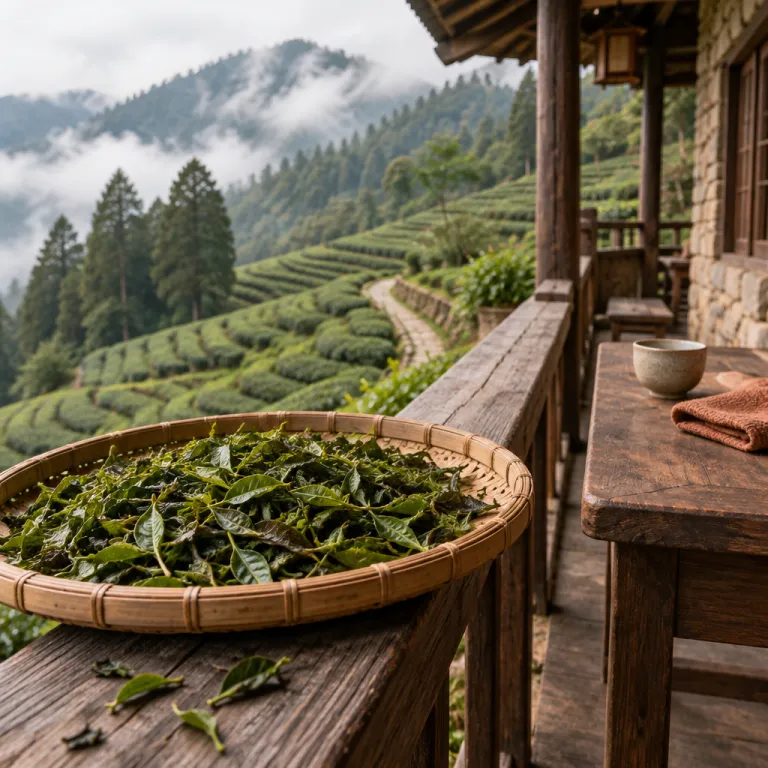
Why an Alishan tea retreat in Taiwan rewards those who linger
Alishan after dark feels like a different mountain entirely. When the last day trips depart for Chiayi and the tour buses roll downhill, the forest quiet returns and the real character of this high mountain tea country begins to show. Staying overnight turns a rushed alishan tea retreat taiwan into a slow unfolding of mist, fragrance and silence.
For couples planning a taiwan trip with a focus on tea, this plateau is less about a single sunrise platform and more about a layered itinerary of tastings, trails and unhurried conversations with growers. The alishan taiwan region is one of the island’s most famous high mountain oolong tea zones, and its tea fields, cedar forests and modest mountain lodges reward travelers who trade a checklist of sights for a few well chosen days. Think of your trip taiwan here as three deliberate chapters rather than one crowded visit.
Luxury in this area is subtle rather than showy. You come for the way the sun lifts over the ridgelines and warms the tea leaves, for the quiet tea house terraces where black tea and mountain tea are poured with the same care as fine wine, and for the chance to sleep close enough to the tea plantation slopes that you wake to the scent of oolong tea processing. A thoughtful alishan tea retreat taiwan is less about marble lobbies and more about how a house frames the view, how a guide introduces a farm, and how taiwan’s tea culture shapes every moment of your stay.
Design-forward stays: from Alishan House to intimate mountain lodges
Most travelers start with Alishan House, the government run grand dame that anchors the main scenic area. Its historic wing carries a faintly Japanese colonial air, while the newer wing leans into glass, timber and high mountain panoramas that frame both sun and cloud inversions. For couples, the appeal lies in waking inside the national forest yet being a short walk from the famous sunrise viewing platforms and the Giant Trees Trail.
Beyond this landmark house, a new generation of small mountain lodges has emerged on the slopes between Shizhao and Fenqihu, often run by tea farm families who have turned part of their property into guest rooms. These stays rarely shout luxury, but they deliver what matters in alishan tea retreat taiwan terms ; proximity to tea fields, access to private tastings of alishan tea and mountain tea, and terraces that catch both sun and moon over the valley. Rooms tend to be simple yet thoughtful, with high quality bedding, deep timber balconies and, in some cases, onsen style baths that nod to Japanese bathing culture without copying it.
Travelers who care about architecture will notice how these properties echo the material palette reshaping taipei city hotels, where concrete, cypress and stone define a new understated elegance ; you can read more about this shift in our feature on Taiwan’s new hotel materials. In Alishan, that same sensibility appears in low slung lodges that hug the mountain, tea house spaces that open directly onto tea plantation rows, and dining rooms where taipei tea level service meets rural warmth. When you book through a curated luxury platform, look for properties that explicitly mention their own tea farm or partnerships with local growers, as this often signals more immersive experiences and better guided access to the surrounding area.
Three days in Alishan: a slow itinerary for tea, trails and sky
Think of your three day itinerary as a gentle climb through Alishan’s layers. Day one belongs to the forested core of the scenic area, where you check into Alishan House or a nearby lodge, then walk the Giant Trees Trail and Sisters Ponds circuit before the late afternoon mist rolls in. This first visit to the main paths lets you understand the terrain, from the mossy roots underfoot to the way the sun filters through the cypress canopy.
Day two shifts the focus from forest to farm. Arrange a guided taiwan trip style excursion with your hotel to a nearby tea farm, ideally one that produces both oolong tea and black tea, so you can compare how altitude and processing shape different teas from the same mountain. Many growers in the alishan high zones around Shizhao and Taihe now welcome small groups for structured tastings, where you walk through tea fields, handle fresh tea leaves and watch the stages of mountain tea production before sitting down in a simple tea house for a focused session.
On day three, leave room for spontaneity. You might return to a favorite place in the forest, book a second tea plantation visit to deepen your understanding, or take one of the quieter Duigao Historic Trail segments that peel away from the main area crowds. If you are pairing Alishan with coastal or island stays, consider linking this mountain chapter with a night at one of the discreet seaside retreats we profile in our guide to island style hotels on Taiwan’s main island, creating a taiwan trip that moves from high mountain mist to ocean light in a single arc.
Tea farms, tastings and the quiet art of Alishan hospitality
Alishan’s reputation as a high mountain tea region rests on its elevation, mist and diurnal temperature shifts, which together coax extraordinary sweetness from the tea leaves. When you step onto a terraced tea plantation at 1 400 to 1 600 meters, you feel the cool air and see how the sun moves across the ridges, leaving some tea fields in shadow while others glow. This is where the phrase alishan tea retreat taiwan becomes tangible, as growers explain how they read the weather and the mountain to decide when to pluck.
Serious tea travelers should ask their hotel concierge to arrange private or small group visits to at least two different tea farms, ideally one closer to the main area and another further along the mountain road. At the first, focus on classic lightly oxidized oolong tea, tasting how the liquor shifts from floral to creamy as infusions progress in the tea house, and noting how alishan taiwan terroir differs from taipei tea grown near taipei city. At the second farm, request a session that includes both mountain tea and black tea, so you can compare how the same tea leaves respond to different processing styles and elevations.
Many of these family run farms also operate simple guest rooms or tasting rooms that feel more like a house than a formal resort, which suits couples seeking intimacy over spectacle. You might sit with the grower’s parents as they brew teas harvested from the high slopes behind the property, or join a short walk through the tea fields at sunset, when the mountain cools and the sky shifts from sun to moon. For travelers used to polished taipei city service, this quieter hospitality can feel disarming at first, but it often becomes the most memorable part of a trip taiwan focused on tea and landscape.
Beyond sunrise: forest trails, seasons and pairing Alishan with Taipei
Staying in Alishan rather than rushing in on day trips changes your relationship with the famous sunrise. Overnight guests can walk to the viewing platforms before the first trains arrive, or ride the short forest railway segment and still find space to breathe as the sun edges over the mountain spine. Once the crowds retreat to breakfast, you have the trails almost to yourself, from the Giant Trees loop to the quieter Duigao Historic Trail sections that wind through older forest.
Timing your alishan tea retreat taiwan around the tea calendar adds another layer of meaning. Spring brings the first flush of high mountain oolong tea and, in some years, cherry blossoms around the main area, while autumn offers cool, clear air that sharpens both views and flavors in the tea house. Many couples pair this mountain chapter with a few nights in taipei city, using the capital’s efficient MRT station network to explore taipei tea houses before or after their time among the tea fields.
When you return to Taipei, consider extending your wellness arc with a stay at one of the hot spring hotels that welcome couples and families alike ; our guide to Taiwan’s wellness hotels with hot springs outlines properties where soaking rituals meet thoughtful design. This combination of urban tea house culture, high mountain tea farm immersion and restorative bathing creates a taiwan trip that feels both coherent and indulgent. It is not the quickest way to visit Alishan, but for travelers who value depth over speed, it is the way the mountain, the tea and the sky begin to speak to each other.
Sun Moon Lake and Taipei: refining a tea-focused Taiwan trip
Many couples planning an alishan tea retreat taiwan also consider adding Sun Moon Lake to their route, and the pairing makes sense if you enjoy both water and mountain. Sun Moon Lake sits at a lower elevation than Alishan’s high mountain tea slopes, yet its calm surface and encircling hills create a complementary mood to the misty ridges above Chiayi. A well planned taiwan trip can move from Alishan’s tea plantation terraces to a lakeside suite in a single day, trading cedar forest for mirrored water without losing the thread of quiet.
Sun Moon Lake is not primarily a tea region, but you will still encounter local teas in lakeside cafés and in the menus of high end hotels that curate taiwan tea pairings with seasonal dishes. Some properties here reference Japanese ryokan aesthetics in their timber, stone and lake facing baths, creating a different but related sense of retreat to what you find in a mountain house above the clouds. If you are already tuned into tea from your time in alishan taiwan, you will notice how the black tea served around the lake contrasts with the oolong tea dominant in the mountain tea farms, offering another layer of tasting context.
Logistically, most travelers route their trip taiwan through taipei city, using the high speed rail to reach Chiayi before transferring to the mountain road, then looping to Sun Moon Lake and back to the capital. This circuit allows you to experience taipei tea houses near any central MRT station, the high mountain quiet of Alishan, and the reflective calm of the lake in a single, coherent itinerary. Along the way, you will move through places that are famous on postcards and others that barely register on maps, yet together they form a taiwan trip that feels both curated and personal.
FAQ
How many days should I spend in Alishan for a tea-focused trip ?
For a meaningful alishan tea retreat taiwan, plan at least three days and two nights. This allows one full day in the forested scenic area and another dedicated to tea farm visits and tastings. With less time, you risk experiencing only the crowded sunrise and missing the quieter high mountain rhythms that define Alishan.
Can I visit Alishan as a day trip from Taipei ?
Technically you can, but it makes for a very long day and a shallow experience. Travel from taipei city to Alishan involves high speed rail to Chiayi, then a bus or private transfer up the mountain, which together can take four to five hours each way. Staying overnight lets you enjoy sunrise without crowds, explore trails at your own pace and visit tea farms that are not accessible on standard day trips.
What is the best season to visit Alishan for tea and scenery ?
Spring and autumn are the most rewarding seasons for a tea centered taiwan trip to Alishan. Spring brings first flush high mountain oolong tea and, in some years, cherry blossoms around the main area, while autumn offers cooler temperatures, clearer skies and excellent visibility for sunrise and forest walks. Summer can be lush but humid, and winter brings a starker, quieter landscape that appeals to some travelers but offers less tea garden activity.
Do I need to book tea farm visits in advance ?
Advance arrangements are strongly recommended, especially for couples seeking private or small group tastings. Many alishan taiwan tea farms are family run and do not operate as walk in attractions, so your hotel or a local guide usually coordinates visits based on the growers’ schedules. Booking ahead ensures you meet English speaking hosts when available and can see parts of the tea fields and processing areas that are not open to casual visitors.
Is Alishan suitable for travelers who are new to tea ?
Alishan is very welcoming to newcomers, as long as you are curious and open to learning. Hotels and tea houses can tailor tastings to beginners, explaining the basics of oolong tea, black tea and mountain tea without overwhelming you with jargon. A few days here often turn casual tea drinkers into engaged enthusiasts, especially when they see how the mountain, the weather and the people shape every cup.