How a bathroom ban reshaped the luxury stay in Taiwan
Luxury travelers planning a refined stay in Taiwan now encounter a different kind of hotel bathroom. A policy from Taiwan’s environmental authorities requires hotels to remove six complimentary single-use items, pushing the sector to rethink what elegance and responsibility look like behind the door of each room. For couples used to unpacking nothing but clothes, this shift subtly changes how you prepare for an upscale escape in Taiwan.
The rules apply across hotels in Taipei, Kaohsiung, Nantou and other regions, covering toothbrushes, toothpaste, razors, shaving cream, combs and shower caps. Every luxury hotel and the most traditional grand hotel properties must now either sell these amenities or invite guests to bring their own, while still delivering a sense of ease in all guest rooms. That is why you now see generous refill dispensers, better materials and clearer communication in many hotels throughout Taiwan.
According to figures reported by local media, and estimates shared by Taiwan’s Ministry of Environment when the regulation was announced in 2023, the ban is expected to cut about 2,100 tonnes of plastic waste every year. That number matters when you consider how many hotels, resorts and city business properties operate across Taipei and the island’s resort regions. For couples planning a high-end getaway, the question becomes simple yet personal: does sustainability enhance the experience or feel like a compromise in the bathroom?
Mandarin Oriental Taipei and the new benchmark for circular luxury
Among luxury hotels in Taipei, Mandarin Oriental Taipei has turned the amenity ban into a design brief rather than a compliance exercise. The hotel has worked with local company Hwaseng on a circular glass bottle refill system, using industrial sanitization so elegant containers can move between rooms without being discarded after a single stay. This approach supports a premium stay in Taiwan where the bathroom feels curated, not cluttered with plastic.
Every guest room and suite at this Mandarin Oriental property now features weighty glass containers instead of disposable bottles, aligning the lobby aesthetic with what you see in the shower. The general manager, Karan Berry, has been explicit about the philosophy driving this change, stating, “If you don’t measure something, it doesn’t get done.” Public statements from the hotel indicate a long-term ambition to cut overall waste by more than half by 2030, often summarized as a reduction of around 56%, while maintaining its reputation as one of the best hotels in Taipei for couples seeking privacy and polish.
The result is a luxury hotel experience where sustainability is quietly embedded in the ritual of bathing, from the feel of the pump to the clarity of the labeling. Guests who once judged a hotel stay in Taipei by the number of miniature bottles now pay attention to textures, fragrances and how the view from the room pairs with a long soak. For travelers comparing hotels across the city, Mandarin Oriental and other high-end properties show that an indulgent stay in Taiwan can be both sensorial and data driven, especially when you cross-reference this with art-focused properties such as those highlighted in this art filled Taipei luxury stay guide.
From Taipei towers to Sun Moon Lake: how regions interpret the rules
Not every luxury hotel in Taiwan responds to the amenity ban in the same way, and that is where your choices become interesting. In Taipei city, Grand Hyatt Taipei and other properties in Xinyi lean into refillable glass bottles and smarter buffet timing, while lakeside retreats in Nantou focus on natural materials and hot spring rituals. Couples planning a luxury stay in Taiwan can now choose between urban precision and slow, water-centric wellness.
Grand Hyatt Taipei has been transitioning to refillable glass water bottles in guest rooms and public spaces, reducing plastic while keeping the lobby and bar areas aligned with its polished brand. The hotel also cuts food waste by adjusting cooking volumes near buffet closing times, which subtly changes the late-night experience for guests returning from the city’s fine dining restaurants. For travelers comparing a room here with a room in a heritage-inspired grand hotel, the difference lies in how visibly each property talks about these behind-the-scenes changes.
Outside the capital, the Lalu at Sun Moon Lake and Silks Place Sun Moon Lake reinterpret the rules through a lakeside lens, pairing large-format amenities with views over the water and private onsen-style tubs. These resorts often encourage guests to bring personal toiletries while still offering refined Japanese-inspired bath products in larger dispensers, especially in higher category rooms. If you are considering a hot spring focused luxury stay in Taiwan, it is worth reading about properties with private onsen suites where the hot spring comes directly to your room, as explored in this guide to Taiwan hotels with in room hot springs.
Inside the bathroom: what couples actually find now
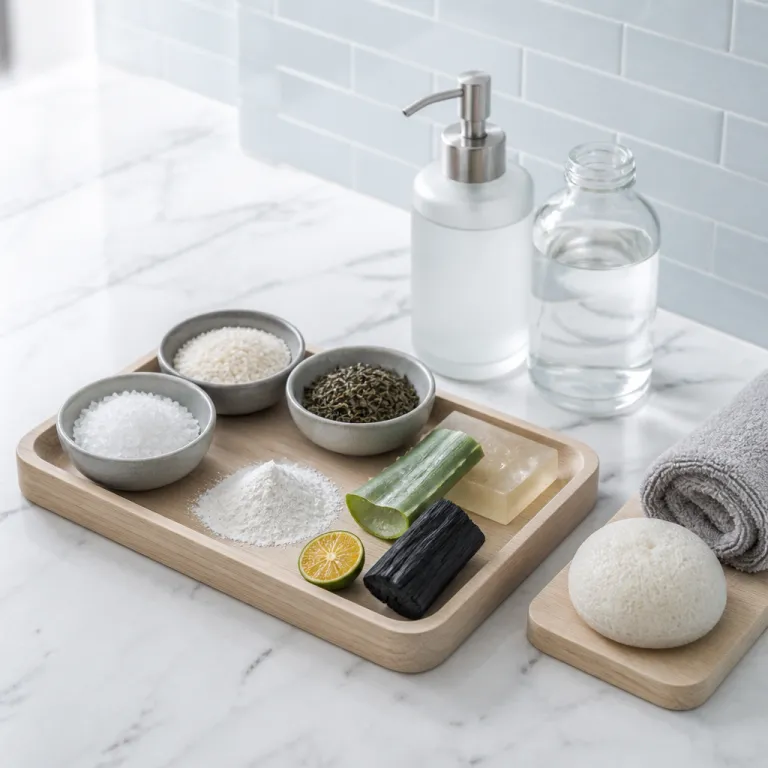
Walk into a top-tier hotel in Taipei today and the first thing you notice in the bathroom is scale. Instead of a row of tiny bottles, you will usually see one or two substantial dispensers fixed neatly to the wall or placed on a stone ledge, often branded to match the hotel’s general design language. This is the new visual code of an upscale stay in Taiwan, from Taipei towers to Kaohsiung waterfront hotels.
At Kimpton Da An in Taipei, every room features Acerpure filtration systems that remove 99.9% of impurities. According to figures shared by the brand in recent sustainability updates, this setup eliminates an estimated 280,000 plastic bottles annually while using about 95% less electricity than traditional water boilers. That means couples can drink from the tap with confidence, a small but meaningful shift in how you inhabit guest rooms during a city break. Other hotels across Taiwan are following suit with filtered water taps and carafes, especially in properties that position themselves as the best options for eco-conscious luxury travelers.
Across luxury hotels and resorts, you will typically find large-format shampoo, conditioner and shower gel, sometimes with Japanese-inspired fragrances or locally sourced botanicals. Some hotels still offer razors or toothbrushes for sale at the front desk, a detail worth checking before you book your room if you prefer not to pack these. For couples planning a luxury stay in Taiwan’s denser districts such as Ximending, this practical layer sits alongside decisions about neighborhood energy and design, which you can explore further in this guide to a refined urban stay in Ximending Taipei Taiwan.
Iconic properties, energy data and what comes next for sustainable luxury
The amenity ban did not arrive in isolation; it is part of a broader environmental trajectory that is reshaping how luxury hotels in Taiwan operate. The Grand Hotel Taipei, with its unmistakable red columns and sweeping city view, has already reported reducing electricity use by about 30% through LED retrofits and achieving around 10% energy savings from an air conditioning overhaul, based on internal energy audits shared in recent years. For a couple checking into this grand hotel icon, the chandeliers may look unchanged, but the energy profile of each room is quietly different.
Hotel Royal Nikko Taipei and other established hotels and resorts have stopped providing disposable amenities as a default, instead offering reusable dispensers and selling individual items to guests who need them. This aligns with the government’s push to encourage eco-friendly habits, while still allowing a luxury hotel to maintain high service standards in guest rooms and suites. Some properties in Kaohsiung and eastern city districts such as Eastern Plaza and Shangri Eastern branded complexes are experimenting with local refill brands, integrating Taiwanese mandarin and oriental botanicals into their amenity lines.
Taiwan has also banned single-use plastic cups and is targeting a significant share of renewable energy in its national mix, which means the bathroom changes you see now are only a first chapter. For couples planning a luxury stay in Taiwan over the coming years, expect more emphasis on traceable materials, energy dashboards and perhaps even room-by-room sustainability scores. The key is to choose hotels across the island that treat sustainability as part of their identity rather than a box to tick, whether you are booking a city view suite in Taipei, a lakeside retreat at Sun Moon Lake or a coastal escape near Moon Lake style reservoirs in Nantou.
How to choose your sustainable luxury bathroom experience in Taiwan
For couples planning a romantic trip, the bathroom is more than a functional space; it frames slow mornings, post-spa evenings and the quiet moments between city explorations. When you compare hotels in Taipei or further south in Kaohsiung, look beyond the headline of a luxury stay in Taiwan and read how each property explains its amenity policy. Clear communication is often a sign that the hotel has thought deeply about both comfort and environmental impact.
Start by checking whether the hotel lists its use of refillable dispensers, filtered water systems and any partnerships with local brands for bath products. Properties such as Mandarin Oriental Taipei, Grand Hyatt Taipei, Kimpton Da An and the Grand Hotel Taipei all publish at least some sustainability data, which helps you understand how your room experience connects to broader goals. If a hotel listing for Taipei is vague about these details, it may still comply with the rules but treat them as a minimum rather than a differentiator.
Next, consider how the bathroom fits into the overall narrative of your stay, whether you are booking Silks Place Sun Moon Lake, the Lalu or a city-focused property in Eastern Plaza or Shangri Eastern complexes. Do you want a Japanese-inspired soaking tub with a lake view, or a sleek urban shower with quick access to fine dining and a late-night bar? Matching these preferences with transparent sustainability practices is what turns a simple booking into a genuinely thoughtful luxury stay in Taiwan, where every room and every bathroom choice reflects both pleasure and responsibility.
FAQ
Which single use amenities are banned in Taiwan’s hotels now ?
Hotels in Taiwan are no longer allowed to provide six specific single use amenities for free; toothbrushes, toothpaste, razors, shaving cream, combs and shower caps. Many luxury hotels now offer these items for purchase at the front desk instead of placing them in every room. Larger refillable bottles for shampoo and shower gel are still provided as part of the standard bathroom setup.
Do luxury hotels in Taiwan still provide shampoo and shower gel ?
Yes, luxury hotels and resorts in Taiwan continue to provide shampoo and shower gel, but usually in large refillable dispensers rather than small disposable bottles. This applies to properties in Taipei, Sun Moon Lake and other regions, including high end brands such as Mandarin Oriental Taipei and Grand Hyatt Taipei. The shift reduces plastic waste while keeping the in room experience aligned with premium expectations.
Should I bring my own toiletries when staying at a hotel in Taiwan ?
It is wise to bring your own toothbrush, toothpaste, razor and any specific grooming products you prefer, especially if you are particular about brands. Hotels across Taiwan generally provide high quality bath products in larger bottles, but the six banned items are no longer complimentary. Some properties sell these amenities at reception, so checking hotel policies in advance helps you pack efficiently.
Can I still request disposable amenities at a luxury hotel in Taipei ?
Some luxury hotels in Taipei and other cities keep a limited stock of disposable amenities available for purchase, in line with the regulations. You can usually request them from the front desk or through the in room service line, though they will not be pre placed in guest rooms. This approach balances guest convenience with the national goal of reducing plastic waste.
How much plastic waste does the amenity ban help reduce each year ?
According to figures cited by local media and estimates from Taiwan’s Ministry of Environment, the ban on single use hotel toiletries in Taiwan is expected to reduce plastic waste by around 2,100 tonnes annually. That figure reflects the combined impact of thousands of hotels and resorts removing small amenity bottles and similar items from their standard room setups. For travelers choosing a luxury stay in Taiwan, this means your bathroom routine now contributes to a measurable environmental benefit.