Why Wulai, and why it changes how you think about a resort in Taiwan
Wulai sits in the hills of New Taipei City, yet feels far removed. This Atayal community turns the idea of a typical resort in Taiwan on its head, because the forest, river and hot springs shape every stay more than any lobby chandelier. For premium family travelers used to polished luxury hotels in Taipei City, that shift can be both refreshing and disorienting.
The drive from central Taipei takes around forty five minutes to an hour by car or bus, according to New Taipei City tourism information, which makes many guests treat Wulai as a simple day trip. That is a mistake if you care about meaningful contact with indigenous culture, slow travel and the kind of hot spring rituals that do not fit into a rushed afternoon before a night flight. Staying overnight in a carefully chosen hotel or resort lets you feel the valley exhale after the tour buses leave, and that is when Wulai’s character finally shows.
For families comparing hotels in Taiwan, Wulai competes with Sun Moon Lake, Hualien’s national park gateways and the east coast resorts of Taitung. Those destinations have bigger swimming pool complexes and more obvious resort Taiwan marketing, while Wulai offers intimacy, hot springs and Atayal stories told in small rooms rather than conference halls. If you already know names like Mandarin Oriental Taipei, Hoshinoya Guguan or Silks Place Taroko, think of Wulai as the quieter counterpoint where the luxury is measured in silence, steam and the sound of the Nanshi River at night.
Atayal craft, facial tattoos and what respectful booking really means
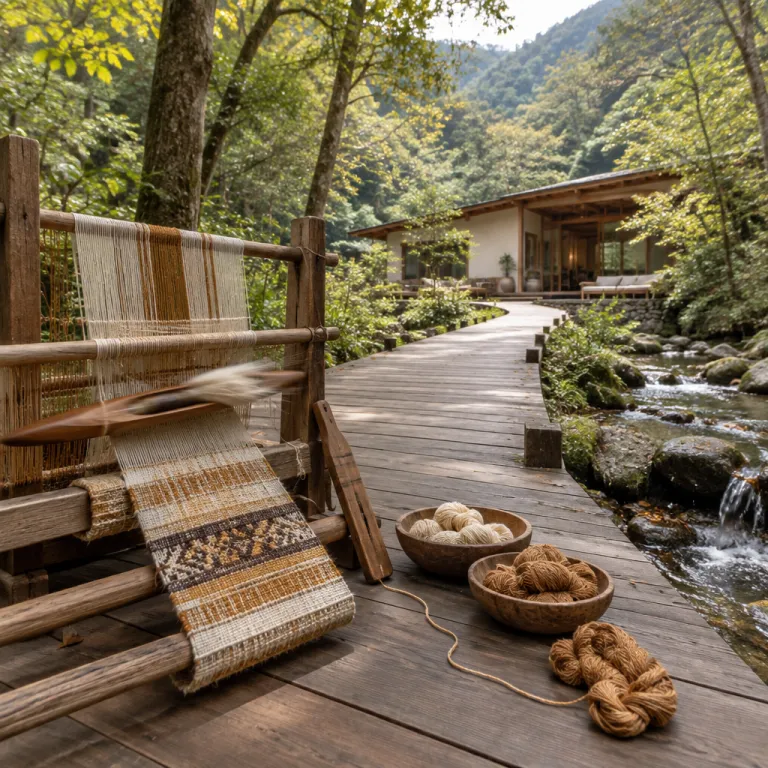
The Atayal people are the indigenous inhabitants of Wulai, and their presence predates any hotel by centuries. Weaving traditions, facial tattoo heritage and a hunting culture tied to the surrounding mountains still shape daily life, even as hundreds of thousands of visitors a year now arrive from Taipei and beyond, according to the Taiwan Tourism Administration. When you book a resort in Taiwan here, you are stepping into an Atayal homeland, not a theme park.
Start with the Wulai Atayal Museum on Old Street, a short minute walk from most central hotels and guesthouses. Exhibits explain how facial tattoos once marked adulthood and moral character, and how weaving patterns encode clan stories that no luxury hotel designer could invent. This is also where you see how hunting, river fishing and forest knowledge underpin the forest bathing routes now sold as wellness experiences to urban guests from Taipei City and other parts of Taiwan.
Responsible booking means choosing hotels and resorts that engage with this community on its own terms, not just using Atayal motifs as décor. Some smaller hot spring hotels now invite local weavers to host workshops in their rooms, while certain properties commission textiles directly from Atayal artisans. One example often mentioned by local hosts is a community weaving circle that runs small group demonstrations for hotel guests on weekends, with fees paid straight to participating families. If you are planning a wider circuit of resorts Taiwan wide, pairing Wulai with places like Sun Moon Lake or the Taroko National Park region works well, and guides such as where to stay in Taiwan by region help you balance city nights with indigenous countryside stays.
Hot springs, forest bathing and why Volando Urai sets the tone
Wulai’s hot springs are the valley’s quiet engine, and they are not a recent wellness fad. Long before any modern resort in Taiwan appeared, Atayal families used these sulfur rich hot springs for bathing, healing and social life along the riverbanks. Today, the public riverside pools have mostly closed after repeated flood damage and safety concerns reported by New Taipei City authorities, but the tradition continues inside hotels, resorts and private rooms that frame the same misty slopes.
Volando Urai Spring Spa & Resort, at 3-16 Wenquan Street in Wulai District, is the property that most clearly understands this lineage, and it remains the reference point for luxury hotels in the county. Rooms hover above the river with deep stone tubs fed by hot spring water, and the design keeps the focus on the forest rather than on flashy pools or over lit lobbies. One Atayal guide describes it as “a place where the river does the talking and the building stays quiet.” For families, the mix of Japanese style tatami rooms, carefully timed spa sessions and quiet corners for tea makes it easier to introduce children to hot springs etiquette without the chaos of a large city hotel swimming pool.
Forest bathing, defined simply as “a practice of immersing oneself in a forest environment for relaxation”, is not a marketing slogan here but a literal step outside the room. Trails begin within a few minutes walk of most hot spring hotels and resorts, and guided walks with local operators turn the surrounding national park grade forest into an open air classroom. Indigenous led groups sometimes pause to show children edible plants or traditional knot tying, grounding the experience in Atayal knowledge. For travelers interested in how architecture and landscape meet across Taiwan, it is worth reading about the architects reshaping the island’s hotel landscape in pieces such as this overview of design forward properties before comparing reviews of Volando Urai, Hoshinoya Guguan or Silks Place Taroko.
Where to sleep: hot spring hotels that understand families and indigenous context
Choosing the right hotel in Wulai is less about star ratings and more about how each property relates to the river, forest and Atayal community. Volando Urai positions itself as a full scale luxury hotel with a spa program, refined dining and rooms that all include private hot spring tubs. Other smaller Wulai hot spring hotels focus on simple, clean rooms with access to shared baths and perhaps a modest outdoor pool or indoor swimming pool for children.
Premium family travelers often compare Wulai stays with big name resorts Taiwan wide, from Mandarin Oriental in Taipei City to lakeside addresses such as Lalu Sun Moon Lake. Those hotels offer grand lobbies, multiple restaurants and large pools, while Wulai’s hotels and resorts trade that scale for intimacy and proximity to forest trails. If you want a more extensive resort Taiwan circuit, you might combine a night in Wulai with a stay near Sun Moon Lake, a visit to Silks Place Taroko by Taroko National Park and perhaps a design forward property in Taichung, as outlined in this guide to Taichung’s emerging luxury scene.
When reading reviews, look for mentions of how staff talk about Atayal culture, not just comments on the breakfast buffet or the size of the room. Properties that partner with local guides, support Atayal craft workshops or explain the meaning of certain weaving patterns are the ones that treat Wulai as more than a generic hot spring stop. For families used to polished service at hotels and resorts in Taipei or at coastal resorts elsewhere in Taiwan, that extra layer of cultural literacy can be the difference between a forgettable night and a stay that anchors your understanding of indigenous Taiwan.
Day trip temptation, overnight payoff and how to travel responsibly
Because Wulai sits so close to Taipei, many travelers try to compress it into a single day. They arrive late morning, walk Wulai Old Street, take the small train toward the waterfall, soak in a hot spring pool for an hour and then rush back to the city for a night in a central hotel. That pattern keeps booking numbers high but leaves little space for genuine contact with Atayal hosts or for the slow rhythm that defines this valley.
Staying at least one night in a resort in Taiwan here changes the equation, especially for families. Early morning walks along the river, unhurried forest bathing sessions and quiet time in your room’s hot spring tub reveal a very different Wulai than the midday crowds. Local government data and community estimates suggest around six thousand residents live in the district, many of them Atayal, and choosing hotels and resorts that hire locally, buy food from nearby farms and invite indigenous guides to lead forest walks directly supports that community.
Responsible tourism also means being clear about what Wulai is not. This is not a place for loud pool parties, late night bar hopping or comparing the size of your outdoor pool with the one at a city resort in Taiwan or at a coastal property near Moon Lake or Sun Moon Lake. It is a compact valley where hot springs, forest trails and Atayal craft coexist, and where your choices as guests — from which hotel you book to how you behave in shared rooms and pools — shape whether indigenous led tourism here remains sustainable rather than extractive.
Practical planning: rooms, routes and setting expectations for a resort Taiwan stay in Wulai
Planning a Wulai stay starts with being honest about your family’s priorities. If you want a full service luxury hotel experience with multiple restaurants, a large swimming pool and extensive kids’ facilities, you may be happier splitting your time between Taipei City hotels and larger resorts Taiwan wide such as Lalu Sun Moon Lake or Silks Place Taroko near Taroko National Park. Wulai’s strength lies instead in hot spring rooms, forest access and the chance to engage with Atayal culture at a human scale.
Most Wulai hotels offer a mix of Western style beds and tatami rooms, and many include in room hot spring tubs rather than a shared pool. When you book, check whether your room faces the river or the road, how far it is in minutes walk from forest trailheads and whether the spa offers family friendly time slots. Some properties bundle dinner, breakfast and hot springs access into one night packages, which can be good value compared with booking each element separately, especially for guests used to à la carte pricing at city hotels in Taiwan.
Transport is straightforward, with Wulai reachable by bus or taxi from Taipei in about an hour, and “Yes, it's about an hour's drive from Taipei.” as local tourism information confirms. Once you arrive, you will not need a car, because most hotels, hot springs and the Wulai Atayal Museum cluster within a compact area of the county. Think of Wulai as one chapter in a broader resort Taiwan itinerary that might also include design driven properties in Taichung, mountain retreats like Hoshinoya Guguan and coastal or lakeside hotels and resorts, each offering a different lens on how Taiwan does luxury.
FAQ
Is Wulai suitable for a family stay or only for couples?
Wulai works well for premium families who appreciate quiet, nature and hot springs rather than theme park style pools. Many hotels offer larger rooms or tatami layouts that suit parents with children, and some schedule family friendly hours in shared hot spring areas. If you need extensive kids’ clubs and big outdoor pools, combine Wulai with larger resorts elsewhere in Taiwan.
What is forest bathing in Wulai, and do I need a guide?
Forest bathing in Wulai means slow, mindful walking through the surrounding mountain forest, focusing on sensory experience rather than distance or speed. Trails near the town are well marked, but guided walks with local operators add context about Atayal plant knowledge and seasonal changes. First time visitors or families with children often find a guide helpful for safety and interpretation.
Are there guided cultural tours with Atayal hosts?
Several local tour operators and community groups offer guided visits that include weaving demonstrations, storytelling and walks to sites important to Atayal history. These experiences are usually small scale and scheduled on the community’s terms, so advance booking through your hotel is recommended. Choosing indigenous led tours ensures that your spending supports local families rather than outside intermediaries.
Can Wulai be visited as a day trip from Taipei?
Wulai can be reached from central Taipei in about an hour by car or bus, which makes a day trip possible. A day visit allows time for the Atayal museum, Old Street and a short hot spring soak, but it compresses the experience into the busiest hours. Staying one night in a local hotel or resort lets you enjoy quieter mornings, evening hot springs and forest walks without crowds.
When is the best season to visit Wulai for hot springs and nature?
Wulai is a year round destination, with cherry blossoms in spring, lush greenery in summer, cooler hiking weather in autumn and especially atmospheric hot springs in winter. Families who dislike heat may prefer autumn or winter, when soaking in hot spring pools feels most comfortable. Whatever the season, booking your preferred hotel and room type early is wise, as weekends and holidays fill quickly.
References
Taiwan Indigenous Peoples Portal ; New Taipei City Tourism Bureau ; Taiwan Tourism Administration.