The geography of taiwan tea tourism: altitude, terroir and time
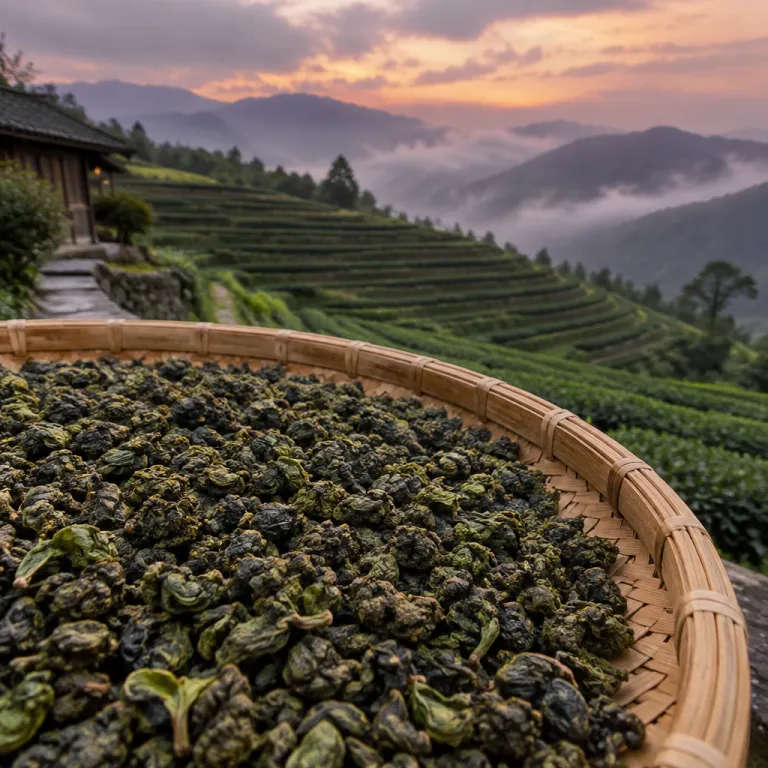
Taiwan tea tourism begins with geography, because altitude shapes every cup. High mountain ridges catch cool clouds, and those shifting mists slow the growth of tea leaves to concentrate aromatics in both oolong tea and black tea. On a clear day you can stand above a tea plantation, watch the sun burn through fog over each mountain, and understand why Taiwanese tea feels so layered.
Across Taiwan, many tea plantations sit between 1 000 and 1 800 meters, and this high mountain band is where Alishan, Dong Ding and other mountain tea regions earn their reputation. The Taiwan Tea Research and Extension Station defines high-mountain oolong as “oolong tea grown at elevations above 1,000 meters.” That single sentence explains why Taiwan tea from Alishan or from the slopes above Sun Moon Lake tastes radically different from teas grown near a coastal city or lowland plantation.
In central Taiwan, Alishan’s ridgelines host some of the island’s most coveted oolong teas, while the hills around Sun Moon Lake are better known for ruby style black teas. Further north, the Taipei tea belt stretches from Maokong to Pinglin, where baozhong tea and lighter oolong styles thrive in humid valleys. For slow travelers planning a tea tour or a longer tour Taiwan itinerary, the key is to match your preferred teas with the right mountain, the right lake and the right time of year, from spring harvests in April and May to clear autumn picking days in October.
Alishan high mountain estates: where tea leaves meet cloudline suites
Alishan is the spiritual home of Taiwan tea tourism, and its high mountain estates are finally catching up with the quality of their oolong. Here, Taiwanese tea farmers have carved terraces into steep slopes, and luxury lodges now sit just above the tea plantations with uninterrupted views of rolling leaves. On a clear day the sun rises over a sea of clouds, and you can watch the first light skim across rows of tea grown at more than 1 200 meters.
Many Alishan properties now pair premium rooms with hands on tea plantation access, letting guests join a morning tea tour to pick fresh tea leaves before breakfast. One moment you are in a private tea workshop learning how oolong tea is oxidized, the next you are back in a soaking tub overlooking the mountain, tasting the same Taiwanese tea you helped harvest. At estates such as Longfengxia gardens or around Shizhuo village, a farmer might quietly remark, “Listen to the leaves; they tell you when to stop rolling,” and suddenly the craft behind each cup feels tangible.
Couples with more time can combine Alishan with a detour to indigenous villages or with a slow rail segment on the historic forest railway, then continue their tour Taiwan journey toward the east coast or to Orchid Island. From Chiayi High Speed Rail station, it usually takes around two hours by bus or private transfer to reach most Alishan tea lodges, and many hotels can arrange door to door transport. Either way, Alishan’s combination of high mountain terroir, Taiwanese tea culture and refined lodging makes it a cornerstone of any serious tea Taiwan itinerary.
From taipei tea hills to pinglin valleys: accessible luxury for urban travelers
Not every Taiwan tea tourism journey requires a long transfer into central Taiwan, because Taipei tea country begins just beyond the metro map. Maokong’s hillside tea houses sit above the city yet feel worlds away, and the gondola ride up offers a quick shift from skyline to mountain tea terraces. In a single day you can move from a design forward hotel in downtown Taipei to a private tea tasting overlooking lantern lit valleys.
Maokong is ideal for first time tea tourists who want Taipei tea experiences without committing to multi day tea tours. Many tea houses here specialize in lightly roasted oolong tea and in fragrant baozhong tea, brewed with soft local water and served in traditional gongfu style sets. The best spots let you compare Taiwanese tea from different tea plantations, including high mountain oolong from Alishan and Dong Ding alongside teas grown closer to the city, and the Maokong Gondola from Taipei Zoo station makes the area reachable in under an hour from most central hotels.
Further along the same corridor, Pinglin offers a quieter, more rural expression of Taiwan tea tourism with organic tea plantations and riverside cycling paths. Couples can base themselves in a Taipei city luxury hotel, then arrange a private day tour to Pinglin that includes a tea plantation walk, a session with a tea master and a seasonal lunch built around tea leaves and mountain vegetables. Buses from Xindian station take about forty minutes to reach Pinglin, and for travelers who appreciate heritage architecture, pairing these northern tea experiences with a stay in Tainan’s revitalized mansions, such as those highlighted in this feature on Tainan’s hotel renaissance in historic buildings, creates a satisfying north south contrast.
Sun Moon Lake and black tea terroir: lakeside retreats with depth
Sun Moon Lake sits at the crossroads of Taiwan tea tourism and classic resort travel, with mirror calm water framed by forested hills and tea plantations. While Alishan is synonymous with high mountain oolong, this lake region is the stronghold of ruby style black tea that carries notes of cinnamon and mint. Around the shoreline, luxury hotels and intimate guesthouses now weave Taiwanese tea into spa rituals, pairing lake views with deep, malty brews.
Many properties offer curated tea tours that start at a nearby tea plantation, continue through a black tea factory and end with a guided tasting back at the hotel. You might spend the morning walking through rows of tea grown just above the lake, then return to a private tea ceremony where a local expert contrasts oolong tea, black tea and mountain tea from different parts of Taiwan. The interplay between sun, mist and altitude around Sun Moon Lake creates a distinctive microclimate, and Taiwan tea from this basin shows how terroir can be as expressive as any wine region, especially when you taste classic Ruby 18 from long established gardens.
Couples who enjoy slow travel can easily fold Sun Moon Lake into a broader tour Taiwan route that includes Alishan, central hot spring towns and the cultural depth of Taichung. A thoughtful itinerary might place two nights by the lake, followed by a stay in a high mountain lodge and then a final Taipei tea focused evening in Maokong. From Taichung High Speed Rail station, shuttle buses and private cars typically take ninety minutes to reach Sun Moon Lake, and for those curious about how wellness and water shape Taiwanese hospitality, the hot spring quarter of Beitou, explored in this slow travel guide to Taipei’s sulphur belt, offers another way to balance tea, mineral baths and city energy.
Inside the cup: tea masters, hotel programs and how to plan your stay
The most rewarding Taiwan tea tourism experiences go beyond scenic plantations and into the craft of brewing, tasting and pairing. Across Taiwan, tea masters now collaborate with luxury hotels to design private tea sessions that explain processing steps from fresh tea leaves to finished oolong teas. Many programs echo the structure of wine education, yet they remain grounded in Taiwanese tea traditions and in the daily work of Taiwanese tea farmers.
In Alishan and Dong Ding, guests can join structured tea tours that include withering rooms, rolling machines and charcoal roasting pits, often guided by English speaking experts. One common question from visitors is “What is high-mountain oolong?” and the most precise answer remains the official line: “Oolong tea grown at elevations above 1,000 meters.” When you taste Taiwan tea from these elevations beside teas grown at lower slopes, the difference in texture, aroma and aftertaste becomes immediately clear, especially during peak spring and winter harvests.
Back in the city, top Taipei tea focused hotels integrate Taiwanese tea into wellness menus, pairing mountain tea foot baths with gongfu service or offering black tea infused desserts in lobby lounges. For couples planning a tour Taiwan itinerary, the smartest approach is to anchor your trip around two or three key regions, then layer in private tea workshops, half day plantation walks and unstructured time in a favorite tea house. Whether you gravitate toward baozhong tea from Pinglin, floral high mountain oolong from Alishan or robust black tea from Sun Moon Lake, Taiwan tea tourism rewards those who slow down and let the island’s terroir set the pace.
FAQ
When is the best time to plan taiwan tea tourism trips ?
For Taiwan tea tourism focused on harvest activity and comfortable weather, spring and autumn are the most rewarding seasons. Spring brings fresh tea leaves and active tea plantations in regions like Alishan, Pinglin and around Sun Moon Lake, with many high mountain oolong teas picked from April into early June. Autumn offers clearer mountain views, cooler days for plantation walks and excellent conditions for both oolong tea and black tea tastings, especially during October and November.
What is high mountain oolong, and why does altitude matter ?
High mountain oolong refers to oolong tea grown above roughly 1 000 meters, where cooler temperatures and frequent mists slow plant growth. In Taiwan, areas such as Alishan and Dong Ding are classic high mountain tea regions, and their Taiwanese tea is prized for layered aromas and a long, sweet finish. Compared with teas grown at lower elevations, high mountain oolong usually shows more complexity, a silkier texture and greater clarity in the cup.
Are tea tours in Taiwan available in English for international travelers ?
Many organized tea tours in Taiwan now provide English speaking guides, especially in major tea tourism hubs. In Alishan, Sun Moon Lake and the Taipei tea districts of Maokong and Pinglin, hotels often arrange private tea experiences with bilingual hosts. Independent travelers can also book small group tea tours through reputable operators that specialize in Taiwan tea tourism for overseas visitors.
How can I combine luxury hotels with authentic tea plantation visits ?
The most effective strategy is to base yourself in a comfortable property near a key tea region, then schedule half day or full day excursions. Around Alishan and Sun Moon Lake, many high end hotels partner with nearby tea plantations to offer guided walks, tastings and even short tea processing workshops. In and around Taipei, you can stay in a central city hotel and use day trips to Maokong or Pinglin to experience tea plantations while returning to urban comforts at night.
Is taiwan tea tourism suitable for travelers who are new to tea ?
Taiwan tea tourism works very well for beginners, because many tea houses and hotels design approachable tastings that explain the basics. In places like Maokong, Pinglin and Sun Moon Lake, you can sample oolong tea, black tea and lighter teas side by side with clear guidance from hosts. Starting with a Taipei tea day trip or a short stay in a high mountain lodge lets newcomers enjoy scenery, hospitality and Taiwanese tea culture without feeling overwhelmed.