Resort Taiwan beyond the obvious: why Orchid Island rewrites the map
Most resort Taiwan itineraries orbit Taipei City, Sun Moon Lake and a handful of famous hot springs. Serious travellers who care about sustainability, though, eventually hear a quieter name repeated in conversations about the best resorts in Taiwan. Orchid Island, or Lanyu, lies roughly 65 kilometres off the south east coast of Taiwan and feels, in mood and pace, like a different country entirely.
Here the Tao people, roughly 3 000 strong according to Taiwan’s Council of Indigenous Peoples (COIP, 2023), have insisted that any resort or hotel style project follows their rhythm rather than the city’s. That stance has kept large hotel chains away and left space for small, indigenous led resorts Taiwan stays that prioritise cultural integrity over infinity pool spectacle. For solo guests used to a luxury hotels circuit of rooftop swimming pool decks in Taipei or a polished spring resort near Beitou, Lanyu’s subtropical discipline can feel radical and deeply refreshing.
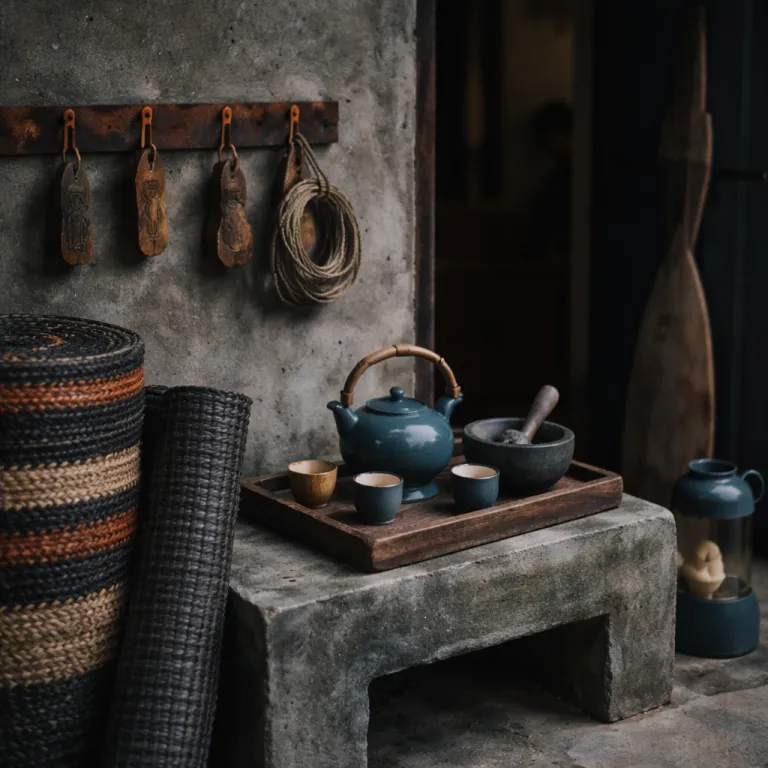
There is no high rise Beitou style complex here, no Silks Place tower or sprawling national park resort with a vast fitness center and multiple restaurants. Instead, you find compact rooms built with traditional materials, sometimes half submerged like the Tao subterranean houses documented by anthropologists for their ability to withstand typhoons. As one Tao host put it in a local tourism workshop, “We build for the wind and the sea first, and for visitors second.” The island’s best resorts in the meaningful sense are those that offer a respectful room, clean spring water, perhaps a small pool spa corner and, crucially, direct relationships with Tao hosts who set the terms of your stay.
Getting to Orchid Island when resort Taiwan weather does not care about your plans
Reaching Lanyu is the first test of whether a resort Taiwan trip here suits you. You travel via Taitung, either on a turboprop flight into Lanyu Airport (often still called Imorod by locals) or on a ferry that can feel brutally hot and rough when the sea turns. The Tao community and Taiwanese authorities both quietly suggest that travellers who dislike motion sickness avoid the ferry during the main typhoon season, when swells make even seasoned city commuters reconsider their booking.
Flights from Taitung are short but heavily weather dependent, and the small aircraft mean limited seats and strict luggage rules for guests. If you are used to tapping a luxury hotels app, seeing a list of hotels resorts, and hitting check availability for tomorrow, Orchid Island will force a different pace. Here, you plan several days of buffer on either side, accept that a room might open or vanish with one cancelled flight, and treat every confirmed booking as a privilege rather than a right.
Once you land, there is no Beitou style metro connection, no Taipei City taxi queue, no parking free underground garage. Most properties are located along the coastal road, and your host will usually arrange a scooter, a simple transfer or, occasionally, a shared van. Read up on slow travel logistics in Taiwan’s hot spring quarters such as the detailed guide to Beitou’s sulphur belt before you come; the mindset of padding your schedule and respecting local limits applies even more strongly on Lanyu.
Tao fishing season, hot springs and why solo travellers should come alone
The Tao calendar, not any resort Taiwan marketing cycle, dictates the island’s most charged months. The Flying Fish Festival runs annually from February to June, overlapping with the Tao traditional fishing season from March to June, and everything from when people gather to when they rest shifts around the sea. During this period, community obligations intensify, and what a hotel or small resort can offer guests changes subtly but decisively.
Visitors sometimes ask, “What is the Tao people's traditional architecture?” and the answer — “Subterranean houses designed to withstand typhoons.” — hints at how deeply environment shapes life here. The same respect applies to the ocean, so you will see carved boats pulled up on the shore that you must not touch, especially during ceremonies. Another common question is, “When is the Flying Fish Festival?” and the precise response — “Annually from February to June.” — should guide when you plan your room bookings if you want to witness, but not intrude on, this rhythm.
Solo travellers fit more easily into this context than large groups, because one guest can adapt to village timings without demanding a schedule that feels like a city resort program. You might spend a morning in a rock pool rather than a tiled swimming pool, an afternoon listening to elders explain why you avoid certain coves instead of lounging in a pool spa, and an evening eating grilled fish rather than chasing the best hotel buffet. If you want a sharper contrast later, pair Lanyu with a few nights in Taipei, using a dinner wander in Daan — start with the insider picks in this guide to where Taipei’s hospitality insiders send you for dinner — to feel how different the city’s energy is from Orchid Island’s quiet discipline.
Lanyu Eco Village, small operators and what “resort” means on Orchid Island
On most resort Taiwan platforms, the word resort conjures a predictable image of hot pools, a full spa, a fitness center and perhaps a kids’ park. Lanyu Eco Village, one of the island’s most referenced stays, works on a different scale entirely, using indigenous materials, renewable energy and community participation rather than a long list of amenities. It is not competing with a spring resort in Taipei City or a lakeside property near Sun Moon Lake; it is offering a Tao led alternative to mass tourism.
Compared with other small operators on Orchid Island, Lanyu Eco Village tends to attract guests who already care about sustainability and are comfortable with simple rooms and limited English. According to information shared by the township office, the project was set up with explicit goals of cultural preservation and low impact tourism. You will not find a Silks Place style lobby, a heated swimming pool or a glossy pool spa complex here, and you should not expect a menu of hot springs treatments like those near Beitou. Instead, you get a room that stays cool without aggressive air conditioning, shared spaces that encourage conversation, and hosts who explain why the Tao people developing tourism on their terms aim to preserve cultural identity and achieve economic sustainability.
Elsewhere on the island, family friendly homestays and micro resorts Taiwan style properties might offer slightly more conventional comforts, such as parking free areas for scooters or a small hot spring tub. None of these hotels resorts will match the service choreography of the best resorts in Taipei or the polished luxury hotels around Sun Moon Lake, but that is precisely the point. Here, sustainability means limiting inventory, accepting language barriers and weather windows, and refusing the kind of expansion that would turn Orchid Island into just another resort Taiwan stop.
How Orchid Island changes the way you book resorts in Taiwan
Once you have stayed on Lanyu, the rest of your resort Taiwan planning starts to look different. You begin to question whether the best resorts are always the ones with the largest pool, the hottest hot spring or the most elaborate spa. You also become more selective about which hotel or resort you reward with your booking, especially in fragile environments.
On our platform, we see guests who pair Orchid Island with a few carefully chosen luxury hotels on the Taiwan main island rather than a frantic circuit of every city. Some choose a restrained hot spring resort Beitou stay, where rooms overlook a green ravine instead of a highway, and where the fitness center is secondary to the onsen etiquette. Others opt for a lakeside hotel near Sun Moon Lake or a national park adjacent property that offers guided walks instead of just a swimming pool and a buffet, using our detailed guides — such as this piece on choosing the right hotel in Kaohsiung City for a refined escape — to calibrate expectations.
Practical habits shift too; you start to check availability earlier, read how many rooms a resort actually has, and look for signs that parking free offers or free breakfast are not the only selling points. You pay attention to whether hotels resorts mention working with local communities, limiting hot springs usage or designing a pool spa area that does not waste water. And when you return to Taipei or another city in Taiwan, you carry Lanyu’s quiet discipline with you, asking whether each resort Taiwan choice respects its setting as clearly as the Tao do on Orchid Island.
What sustainable hospitality on Lanyu asks of you as a guest
Staying on Orchid Island is not just about choosing a different kind of resort Taiwan property; it is about accepting a different role as a guest. Sustainability here is not a marketing label but a daily negotiation between the Tao community, the Taiwanese government and the growing interest in indigenous tourism. Your presence has weight, especially when the total Tao population on Orchid Island is measured in the low thousands rather than the tens of thousands you might find around a major city resort.
Respect starts with simple rules that hosts will repeat, such as “Respect local customs and taboos” and “Avoid touching traditional boats during festivals”. It extends to how you move around the island, from keeping noise low near villages to dressing modestly when you walk past ceremonies connected to the Flying Fish Festival. It also means accepting that some areas, springs or coves are off limits, even if your previous experience of resorts in Taiwan involved unrestricted access to every pool, park or spa zone on the map.
There are things you should not do here that might feel normal at a larger resort, such as flying drones over ceremonies, demanding hot showers at all hours or expecting a full list of hot springs style treatments in a place where water is carefully managed. Instead, you bring your own reusable bottles, minimise single use plastics in anticipation of Taiwan’s upcoming hotel plastics ban, and treat every room, every shared pool and every path as if it were someone’s home — because on Lanyu, it is. In return, the island offers something no city hotel or coastal resort can match: the chance to see what hospitality looks like when an indigenous community writes the rules and guests choose to follow.
FAQ
How do I travel to Orchid Island from the Taiwan main island ?
You reach Orchid Island via Taitung, either by ferry or by a small turboprop flight into Lanyu Airport, the island’s only airstrip. The official guidance is clear: “How to travel to Orchid Island? By ferry or flight from Taitung, Taiwan.” Weather can disrupt both options, so you should plan buffer days and avoid tight connections with international flights.
When is the best time for a solo traveller to visit Lanyu ?
Solo travellers who want cultural depth often time their resort Taiwan trip to overlap with the Flying Fish Festival, which runs from February to June and includes the Tao traditional fishing season from March to June. These months offer the richest insight into Tao life but also come with stricter taboos and busier community schedules. Outside this window, the island is quieter, with more flexibility for hiking, swimming and unstructured days.
Are there conventional resorts or luxury hotels on Orchid Island ?
Orchid Island does not host conventional large scale resorts or branded luxury hotels like those in Taipei City or around Sun Moon Lake. Instead, you will find small eco focused properties such as Lanyu Eco Village and family run homestays that function more like intimate resorts Taiwan style, with limited rooms and simple amenities. Travellers seeking a full spa, a large swimming pool or a comprehensive fitness center usually combine Lanyu with stays in other parts of Taiwan.
What should I avoid doing to respect Tao culture during my stay ?
Visitors should avoid touching traditional boats, especially during festivals, and should not enter ceremonial spaces or photograph rituals without explicit permission. Dress modestly in villages, keep noise low at night and follow any guidance your hosts give about restricted areas or hot springs. Treat the island less like a resort and more like a living community that has chosen to share parts of its world with you.
How does Orchid Island compare with other sustainable resorts in Taiwan ?
Unlike many sustainable labelled resorts in Taiwan that retrofit eco features onto existing hotels, Orchid Island’s hospitality is indigenous led from the ground up. Properties such as Lanyu Eco Village integrate renewable energy, traditional architecture and community ownership rather than simply adding a green certification to a standard resort model. For travellers, that means fewer amenities but a far deeper engagement with place, culture and the realities of small island life.