Why jiaoxi hot spring belongs on every luxury Taiwan itinerary
Jiaoxi in Yilan County is the rare hot spring town in Taiwan where clear, odorless mineral water flows directly into many luxury rooms. The geothermal springs in Jiaoxi hot spring resorts reach an average water temperature of about 50 °C, with a mildly alkaline pH of roughly 7.5 and a balanced mix of sodium, magnesium, calcium, potassium, and carbonate ions that serious spa travelers appreciate. According to figures summarized on the Jiaoxi Tourism Website’s hot spring overview page (https://www.jiaoxi-tourism.tw/article.aspx?sNo=04000001), this composition is typical of the local geothermal field and underpins the town’s reputation for gentle, skin-friendly soaks. When you are planning a trip from Taipei, the easy rail access and the compact town area make it simple to pair a refined spring hotel stay with nature, food, and culture in a single long weekend.
The local Jiaoxi Township Office manages public facilities so the hot springs in Jiaoxi remain clean, safe, and well signposted for visitors. Their work with local hot spring hotels and spa hotel operators means that both public baths and private hot spring suites use the same naturally filtered spring water, which is piped from underground sources developed during the Japanese colonial era. This collaboration between the administrator and the hospitality industry has turned springs Jiaoxi wide into a benchmark for hot spring tourism in Taiwan, especially for travelers who want reliable standards before booking a premium hotel. At popular properties such as Hotel Royal Chiao Hsi, staff often explain the origin and testing of the water at check-in, citing township inspection reports, which reassures first-time guests.
For many guests, the best Jiaoxi experience starts with a long soak in a private bath before exploring the town on foot. You can step out from a spring hotel directly into streets lined with casual foot baths, where spring water cools to a comfortable temperature and locals chat at any time of day. Several parks in the central area offer free public foot baths, so even if you stay in a luxury spa hotel you still feel the relaxed, communal rhythm of this hot spring town. A common scene in the evening is families sharing snacks from a nearby scallion pancake stall while their feet rest in the warm mineral water; one stall owner described the nightly crowd as “our neighborhood living room, just with hot water instead of sofas.”
Choosing the right spa hotel and spring hotel in Jiaoxi
Selecting the best Jiaoxi property depends on how you like to bathe, how much privacy you want, and how close you prefer to be to the train station. Many luxury travelers look for a spa hotel with in room spring tubs that fill directly with spring water, creating a private hot sanctuary where you can adjust the mix of hot and cold water to your taste. Others prefer a spring hotel with large public pools, where different hot springs in Jiaoxi are presented at varied temperatures and depths, sometimes with hydrotherapy jets or art spa design elements.
High end hotels in the town area usually advertise whether their baths are fed by natural hot spring sources or reheated tap water, and this is the first detail you should check before you visit. Properties that highlight direct spring water access often also integrate spa menus, offering massages, facials, and body treatments that complement long sessions in the hot springs, which is ideal when you are planning a trip focused on wellness. If you are combining visiting Jiaoxi with a wider circuit that includes Taroko Gorge, you can study a detailed Taiwan itinerary such as the Taroko Gorge playbook for where to sleep and how to hike and then match your preferred hotel style in each destination.
Travelers who arrive by train often choose a hotel within a ten minute walk of the Jiaoxi train station, which keeps transfers simple and leaves more time for the springs. In this central zone you will find several spa hotel options with both public and private hot facilities, including rooms with open air spring tubs that look toward the hills of Yilan County. If you prefer a quieter stay, consider a spring hotel slightly away from the main streets of the town, where the night air feels cooler and the only sound after a late bath is the flow of water. Some guests describe walking back along nearly empty lanes after a midnight soak, wrapped in hotel yukata, as one of their most peaceful Taiwan travel memories.
Tangweigou Hot Spring Park and other public spring parks
One of the most atmospheric places for a first soak is Tangweigou Hot Spring Park, a landscaped spring park that runs along a small stream in the heart of Jiaoxi. Here, shallow pools of hot spring water line the path, and visitors sit with their feet in the springs while sipping tea or tasting local snacks sold from nearby stalls. The park is especially appealing in the evening, when the air turns cool, the water feels deliciously hot, and the lights reflect on the surface of the baths.
Public facilities in Tangweigou Hot Spring Park range from simple foot baths to paid pools where you can immerse your whole body, and the rules are clearly posted in English and Chinese. Families often spend an entire day moving between different hot springs in the park, letting children play in cooler pools while adults rotate between hotter baths and shaded seating areas. Because the park is managed in partnership with the Jiaoxi Township Office and local hot spring hotels, the spring water is regularly tested and the average temperature is kept comfortable for long soaks, in line with guidelines shared on the Jiaoxi Tourism Website’s park information pages (https://www.jiaoxi-tourism.tw/SceneryContent.aspx).
Beyond Tangweigou, smaller spring parks dot the town area, each with its own character and mix of public and semi private pools. Some parks integrate art spa concepts, with sculptures and stonework that frame the water, while others focus on simple, functional baths where the emphasis is on the quality of the springs rather than design. If you are pairing visiting Jiaoxi with a culinary focused stop in southern Taiwan, you can look at resources such as a Kaohsiung seafood circuit from harbor auction to Cijin grill and then balance those intense food days with slow, mineral rich time in the hot water of Jiaoxi.
Private hot spring indulgence: suites, spring tubs, and spa rituals
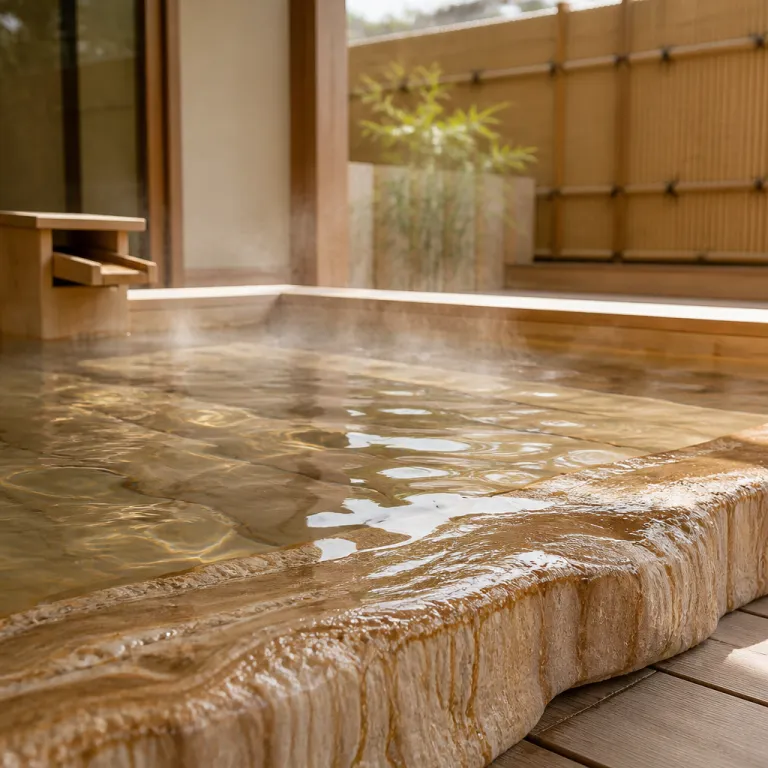
For many luxury guests, the highlight of a stay in Jiaoxi hot spring country is the chance to bathe in private hot pools without leaving the room. High end spa hotel properties in the town offer suites with deep stone or cedar spring tubs, often large enough for two people to stretch out comfortably in the hot water. These private baths are usually fed by direct spring water lines, so you can feel the difference between true hot springs and ordinary heated tap water as soon as you step in.
Some spring hotel suites feature both indoor and outdoor spring tubs, allowing you to alternate between a sheltered bath and an open air soak under the night sky. When you are planning a trip that includes special occasions such as anniversaries, these private hot facilities add a sense of ceremony to the experience, especially when paired with in room dining and late check out. Many hotels also integrate full spa menus, so you can move from a long bath to a massage table without crossing any public corridors, which is ideal for travelers who value discretion.
Art spa concepts appear in several luxury properties, where designers use stone, wood, and light to frame the springs and create a calm atmosphere. In these hotels, the line between spa and room blurs, and the hot spring becomes the central feature of the suite rather than an afterthought. When visiting Jiaoxi for more than one day, consider booking at least one night in a room with a private hot spring tub and another in a property that emphasizes large public baths, so you experience both sides of the town’s bathing culture and can compare boutique hot spring suites with grand onsen-style pools.
Nature around Jiaoxi: waterfalls, trails, and rural hot spring landscapes
The appeal of Jiaoxi hot spring stays extends beyond the baths, because the surrounding hills of Yilan County offer easy access to waterfalls and short hikes. Wufengqi Waterfall is the most famous cascade near the town, reached by a well maintained path that climbs gently through forest and offers several viewpoints where you can rest before returning to your hotel for a hot bath. On a clear day, the contrast between the cool spray of the waterfall and the later immersion in hot springs makes for a satisfying rhythm.
Yuemeikeng Waterfall, which lies deeper in the area, attracts more adventurous travelers who are comfortable with less developed trails and longer walking times. When visiting Jiaoxi with a focus on nature, you can plan one day around Wufengqi Waterfall and another around Yuemeikeng Waterfall, then schedule your spa hotel sessions in the early morning or evening to avoid the midday heat. Local guides and hotel concierges can advise on current trail conditions, which is important in Taiwan’s humid climate where paths can change quickly after heavy rain.
Outside the main town, farmers use spring water in innovative ways, integrating hot springs into agricultural practices such as vegetable cultivation and fish farming. This rural use of hot water reflects the broader context of geothermal activity in the region and shows that the springs are not only for leisure but also for local livelihoods. When you are planning a trip that combines visiting Jiaoxi with other destinations in Taiwan, consider spending extra time in the countryside around the town to see how hot spring resources shape both tourism and everyday life, from greenhouse heating to small-scale aquaculture ponds.
Practical tips for visiting Jiaoxi from Taipei and beyond
Reaching Jiaoxi from Taipei is straightforward, because frequent trains link the capital with the town’s compact station area in under an hour. Many travelers choose to arrive in the late morning, leave their luggage at the hotel near the train station, and then head straight to a spring park or spa hotel pool for a first bath. If you prefer to avoid crowds, aim for weekday stays and early morning or late evening soaks, when the public baths feel calmer and the air is cooler.
Before you visit, check whether your chosen spring hotel requires swimwear in public pools, because some facilities follow Japanese style nude bathing while others insist on suits. The local tourism office advises guests to bring their own swimwear for public baths, to confirm which amenities include private hot tubs, and to note that some facilities offer drinkable hot spring water for those who want to taste the minerals. On the Jiaoxi Tourism Website’s safety notices (https://www.jiaoxi-tourism.tw/article.aspx?sNo=04000002), potable sources are described as being tested regularly, but you should still only drink from taps or fountains clearly labeled as safe. Simple habits such as showering before each bath, staying hydrated between sessions, and limiting each immersion to around fifteen minutes help you enjoy the hot springs safely.
When planning a trip that includes both visiting Jiaoxi and other parts of Taiwan, think about how many days you want to dedicate purely to rest. A common pattern is to spend one day exploring Tangweigou Hot Spring Park and other public facilities, another day focused on private spa rituals in your hotel, and a final day visiting Wufengqi Waterfall or Yuemeikeng Waterfall before returning to Taipei. As the local tourism information explains, “Jiaoxi offers natural hot springs with clear, odorless, mineral-rich water,” making it an easy destination to slot into a broader Taiwan itinerary without sacrificing comfort.
Key figures and hot spring statistics for Jiaoxi
- The average temperature of Jiaoxi hot spring water is about 50 °C, which is hot enough for therapeutic soaks but usually cooled slightly in baths for comfort, according to the Jiaoxi Tourism Website and local promotional materials.
- The pH level of the springs in Jiaoxi is around 7.5, meaning the water is mildly alkaline and gentle on most skin types when compared with more acidic hot springs in other parts of Taiwan, as summarized in regional hot spring surveys.
- Analyses from the Jiaoxi Tourism Website’s hot spring introduction page (https://www.jiaoxi-tourism.tw/article.aspx?sNo=04000001) identify four main mineral types in the spring water — sodium, magnesium, calcium, and potassium with carbonate ions — a composition associated with relaxation and circulation benefits.
- Jiaoxi’s geothermal resources support not only tourism but also agriculture, as local initiatives use hot spring water to warm irrigation channels and aquaculture ponds during cooler months.
- Public foot baths in parks across the town are free to use, which lowers the barrier for first time visitors who want to try hot springs before booking a full spa hotel stay and encourages spontaneous soaking sessions.
FAQ about Jiaoxi hot spring stays
What minerals are in Jiaoxi hot springs?
The hot springs in Jiaoxi contain sodium, magnesium, calcium, potassium, and carbonate ions, a mix that creates clear, almost odorless water. This balanced mineral profile makes the springs suitable for long, gentle soaks in both public and private baths. Many spa hotel properties highlight this composition in their wellness marketing because it appeals to travelers who value data backed relaxation benefits.
Are there public foot baths in Jiaoxi?
Yes, several parks in the town area offer free public foot baths fed by natural spring water. Tangweigou Hot Spring Park is the most famous, but smaller spring parks also provide shallow pools where you can sit and soak your feet at any time of day. These facilities are ideal if you are visiting Jiaoxi on a tight schedule or want to sample the water before booking a full hot spring session.
Is the hot spring water suitable for drinking?
Some facilities in Jiaoxi offer drinkable hot spring water, usually from clearly marked taps or fountains within spa hotel complexes or public bathhouses. The water is treated and tested to meet safety standards, but you should only drink from sources that are explicitly labeled as potable. If you are unsure, ask hotel staff or local attendants before filling your cup, and when in doubt follow the guidance shared by the Jiaoxi Tourism Website and on-site signage.
When is the best time to visit Jiaoxi hot spring town?
Jiaoxi welcomes visitors throughout the year, because the hot springs feel pleasant in both cool and warm seasons. Many travelers prefer weekdays, when public baths and spring parks are quieter and hotel rates can be more favorable. Early morning and late evening sessions are especially atmospheric, with cooler air temperatures that contrast beautifully with the hot water.
How long should I stay in Jiaoxi for a relaxing trip?
A two to three day stay suits most travelers who want to balance bathing, nature, and food. One day can focus on public facilities such as Tangweigou Hot Spring Park, another on private hot spring suites and spa treatments, and a final day on nearby waterfalls like Wufengqi Waterfall or Yuemeikeng Waterfall. If you are combining Jiaoxi with Taipei or Taroko Gorge, consider adding an extra night to avoid rushing between destinations and to enjoy one more unhurried soak.