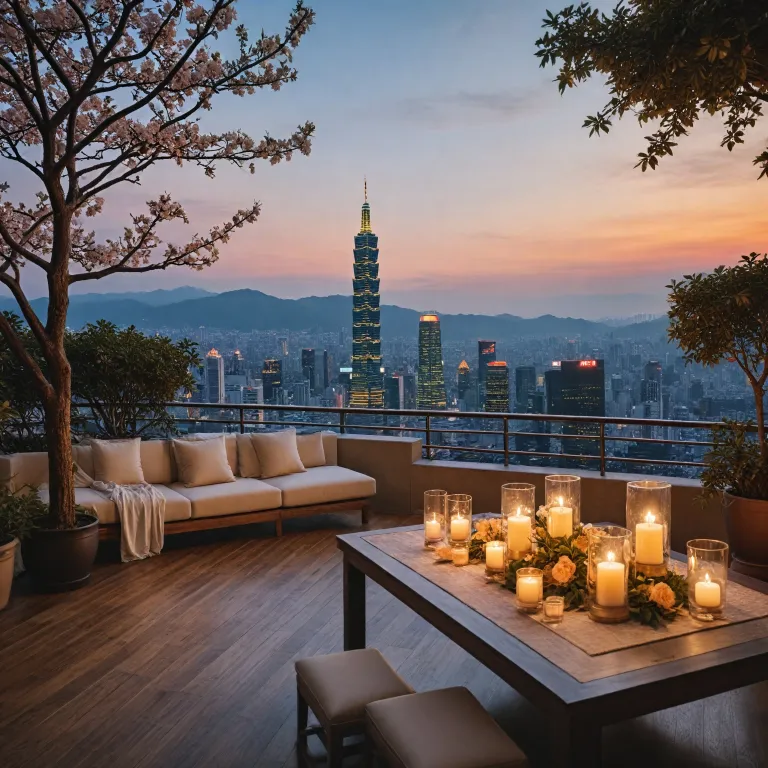
Elegant ways to enjoy the best things to do in Taipei, Taiwan
Taipei rewards travelers who take their time, especially those who value comfort and detail. The city blends refined hospitality with a rich range of things to do in Taipei, Taiwan that suit both first time visitors and seasoned guests. When you plan carefully, you can align the best things with premium stays that elevate every day and night.
The Taipei City Government and the Taiwan Tourism Bureau coordinate closely to keep major attractions welcoming and efficient for visitors. Their work ensures that each taipei city landmark, from Longshan Temple to the Chiang Kai shek memorial hall, is easy to reach and clearly signposted. This reliable structure makes it simple to move between your hotel, a night market, and a quiet tea house in a single day.
For many travelers, the best time to visit Taipei is during spring or autumn when temperatures are mild. These seasons make outdoor things taipei offers, such as hiking Elephant Mountain or strolling Dihua Street, especially pleasant. Even in warmer months, you can plan your day around air conditioned museums, shaded creative park spaces, and late night markets.
Public transport is central to enjoying the city in a relaxed way. Purchase an EasyCard at any major station to glide between taipei city districts, hot springs, and food tour meeting points without stress. With this card, you can reach almost every top attraction, then return to your hotel in taiwan quickly after a long day.
First time visitors sometimes worry about language barriers when they visit Taiwan. However, “While Mandarin is the primary language, English is commonly understood in tourist areas and by younger generations.” This makes it easier to ask for directions to a favorite night market or to find a recommended taiwanese breakfast spot near your accommodation.
Luxury stays near top attractions and taipei city highlights
Choosing the right hotel in taipei shapes how you experience the city. Luxury and premium properties often sit close to MRT lines, which shortens travel time to the best things to do in Taipei, Taiwan. When your base is well located, you can enjoy both daytime sightseeing and night markets without feeling rushed.
Many high end hotels cluster around Xinyi District, home to Taipei 101 and major malls. From here, you can reach Elephant Mountain in minutes, then return for a refined taiwanese breakfast or afternoon tea with skyline views. This balance of mountain trails and polished service makes Xinyi a favorite area for travelers who value both nature and comfort.
Other guests prefer staying closer to historic neighborhoods and traditional food. Around Wanhua and Dadaocheng, you can walk to Longshan Temple, Dihua Street, and several atmospheric night markets that showcase classic taiwanese street food. Premium hotels in these districts often blend contemporary design with local materials, creating a calm retreat after a busy day trip.
When evaluating properties, look beyond room size and rate to consider proximity to key stations. Being near Taipei Main Station, Songshan station, or a central MRT hub reduces transfer time to the airport, hot springs, and creative park venues. This practical detail becomes especially important if you plan multiple day trips from taipei to nearby mountain areas.
For travelers seeking refined urban stays with easy access to taipei city attractions, a capital hotel in Songshan can be an excellent option. From this area, you can quickly reach Raohe night market, riverside cycling paths, and tea houses that serve carefully brewed taiwanese tea. The combination of convenience, local flavor, and polished service suits guests who want both efficiency and character.
Culinary experiences, night markets, and taiwanese breakfast rituals
Food is one of the most compelling things to do in Taipei, Taiwan for any visitor. The city’s culinary scene ranges from refined tasting menus to humble soy milk shops that open before dawn. Planning your days and nights around meals can be the best way to feel the rhythm of taipei city life.
Begin with a traditional taiwanese breakfast, which often includes warm soy milk, flaky egg pancakes, and freshly fried dough sticks. Many locals consider this their favorite way to start the day, and you will find both small family run spots and more polished venues near major stations. Trying several taiwanese breakfasts during your visit lets you compare textures, flavors, and the subtle differences between neighborhoods.
Later, join a guided food tour that focuses on taiwanese street food and regional specialties. These tours often weave through Dihua Street, a creative park, and at least one bustling night market, giving context to each dish and ingredient. You will taste everything from pepper buns to herbal tea, while learning how taiwanese food reflects trade routes and migration.
As evening falls, night markets become the heart of many things taipei offers. Shilin, Raohe, and Ningxia night markets each have their own character, with different balances of games, fashion, and food stalls. Visiting several night markets over multiple nights helps you find your own best things, whether that means grilled squid, shaved ice, or delicate tea eggs.
For travelers who prefer structure, a free walking tour that ends at a night market can be ideal. You gain historical insight during the day, then apply it as you sample taiwanese snacks and talk with local vendors. This blend of learning, tasting, and relaxed wandering captures the spirit of the city at night.
Cultural landmarks, memorials, and spiritual things to do in taipei, taiwan
Taipei’s cultural landmarks provide a thoughtful counterpoint to its lively food and shopping scenes. Visiting these sites is among the best things to do in Taipei, Taiwan if you want deeper context. Many are free or low cost, making them accessible even when you stay in premium hotels.
The Chiang Kai shek memorial hall is one of the city’s most iconic spaces. Its vast plaza, framed by classical style buildings, offers a sense of scale that contrasts with the dense surrounding city. Plan your visit around the changing of the guard to appreciate both ceremony and architecture at this kai shek memorial complex.
Nearby, you can continue your day with a walk through the National Theater and Concert Hall grounds. These cultural venues often host performances that attract both local residents and international visitors. Even if you do not attend a show, the open spaces and reflecting pools provide a calm pause between other things taipei has on your list.
Longshan Temple in Wanhua is another essential stop when you visit Taiwan’s capital. This temple blends Buddhist, Taoist, and folk traditions, and its courtyards fill with incense, chanting, and quiet personal rituals. Arrive early in the day or later at night to experience a more contemplative atmosphere away from the busiest crowds.
For a different perspective on taipei city history, explore Dihua Street in Dadaocheng. Many warehouses have been transformed into galleries, tea shops, and creative park style studios that highlight taiwanese craftsmanship. Walking here at a slower pace allows you to find small courtyards, herbal pharmacies, and tea merchants that reward curiosity.
Nature, mountain escapes, and relaxing hot springs near taipei city
One of the most appealing things to do in Taipei, Taiwan is to step quickly from city streets into nature. The surrounding mountain landscapes and hot springs are close enough for a half day or full day trip. This easy access allows you to balance urban energy with restorative quiet during your stay.
Elephant Mountain, also known as Xiangshan, is the classic viewpoint for the taipei skyline. The trail is short but steep, with stone steps leading through lush greenery to several platforms. Time your climb for late afternoon so you can watch the city shift from day to night as lights appear.
For a more extensive mountain experience, consider a day trip to Yangmingshan National Park. Rolling hills, fumaroles, and seasonal flowers make this area one of the best things near taipei for nature lovers. Cooler temperatures here provide relief in warmer months, while misty days create a moody, cinematic atmosphere.
Beitou hot springs offer another relaxing escape that remains firmly connected to taipei city. You can reach Beitou station easily by MRT, then walk to public baths, private spring resorts, and the informative hot springs museum. Many luxury travelers choose premium facilities that provide private pools, tea service, and views of the surrounding mountain slopes.
After soaking, return to the city for a quiet evening tea or a final stroll through nearby night markets. This contrast between mineral rich water, cool mountain air, and the warm glow of street food stalls is part of what makes taiwan so memorable. Planning at least one such excursion ensures your visit feels both dynamic and restorative.
Smart planning tips, free walking options, and payment essentials
Thoughtful planning helps you enjoy the best things to do in Taipei, Taiwan without feeling overwhelmed. Start by mapping key attractions, stations, and your hotel to understand travel time between them. This simple step lets you group nearby sights, such as a creative park, a memorial hall, and a night market, into efficient days.
Free walking tours are an excellent way to orient yourself in taipei city. Many operate on a tip based model, covering historic districts, modern shopping areas, or themed routes that highlight taiwanese food and tea culture. Joining one early in your trip gives you context and helps you find favorite neighborhoods to revisit later.
Public transportation is reliable, clean, and intuitive for visitors who don’t speak Mandarin. Purchase an EasyCard for seamless access to MRT lines, buses, and even some convenience stores, then reload it at any major station. This card simplifies movement between taipei, nearby hot springs, and mountain trailheads, saving both time and small change.
When it comes to payments, larger hotels, restaurants, and malls in taiwan accept major credit cards. However, “Credit cards are widely accepted in hotels, restaurants, and larger stores, but it's advisable to carry cash for small vendors and night markets.” This is especially important when you sample street food, join a casual food tour, or buy tea at a local stall.
Finally, check the weather forecast regularly, particularly during typhoon season, and adjust your plans accordingly. On rainy days, focus on indoor things taipei offers, such as museums, tea houses, and covered markets, then shift outdoor hikes to clearer periods. Flexibility ensures that every day and night of your visit remains enjoyable, regardless of conditions.
How luxury travelers can personalize their taipei and taiwan itinerary
Luxury and premium travelers often seek more than a checklist of attractions. They want to curate the best things to do in Taipei, Taiwan around personal interests, whether that means art, tea, wellness, or food. With thoughtful choices, you can shape an itinerary that feels both tailored and effortless.
Begin by deciding how you prefer to structure each day and night. Some guests like slow mornings with taiwanese breakfast in the hotel, followed by a late start toward a memorial hall, creative park, or tea house. Others enjoy early hikes up Elephant Mountain or a quick visit to Longshan Temple before the city fully wakes.
Next, weave in signature taipei experiences that match your style. Art lovers might focus on galleries near Dihua Street, design focused markets, and performances at major venues, while food focused travelers prioritize street food, soy milk shops, and guided food tours. Tea enthusiasts can schedule tastings that highlight taiwanese oolongs, pairing them with visits to mountain plantations or refined city salons.
Consider adding one or two curated day trips beyond taipei city to deepen your sense of taiwan. Options include coastal towns, additional hot springs, or mountain villages that showcase different regional flavors and landscapes. Returning each evening to a comfortable hotel allows you to process these experiences in a calm, private space.
Throughout your stay, remain open to local recommendations from concierges, guides, and residents you meet on free walking tours. They can point you toward emerging night markets, under the radar tea rooms, or seasonal events that rarely appear in standard lists of things taipei offers. This blend of planning and spontaneity often leads to the most memorable moments of your visit.
Key statistics about taipei city attractions and tourism
- Taipei 101 rises to 508 meters, offering one of the most striking urban viewpoints in Asia.
- The National Palace Museum safeguards around 700000 artifacts, representing a vast span of Chinese cultural history.
- Shilin night market features approximately 500 stalls, making it one of the largest and busiest night markets in taiwan.
Frequently asked questions about visiting taipei, taiwan
What is the best time to visit Taipei?
The best time to visit Taipei is during the spring (March to May) and autumn (September to November) when the weather is pleasant. These periods offer comfortable temperatures for exploring both city attractions and nearby mountain areas. You will also find it easier to enjoy outdoor markets, free walking tours, and evening strolls without extreme heat or heavy rain.
Is English widely spoken in Taipei?
While Mandarin is the primary language, English is commonly understood in tourist areas and by younger generations. In most hotels, major restaurants, and popular attractions, staff can handle basic questions in English. Learning a few simple Mandarin phrases is appreciated, but you can still navigate taipei city comfortably with English alone.
Are credit cards accepted in Taipei?
Credit cards are widely accepted in hotels, restaurants, and larger stores, but it's advisable to carry cash for small vendors and night markets. Many taiwanese street food stalls, traditional breakfast shops, and local tea stands still prefer cash payments. Keeping a mix of card and cash ensures smooth transactions throughout your stay in taiwan.