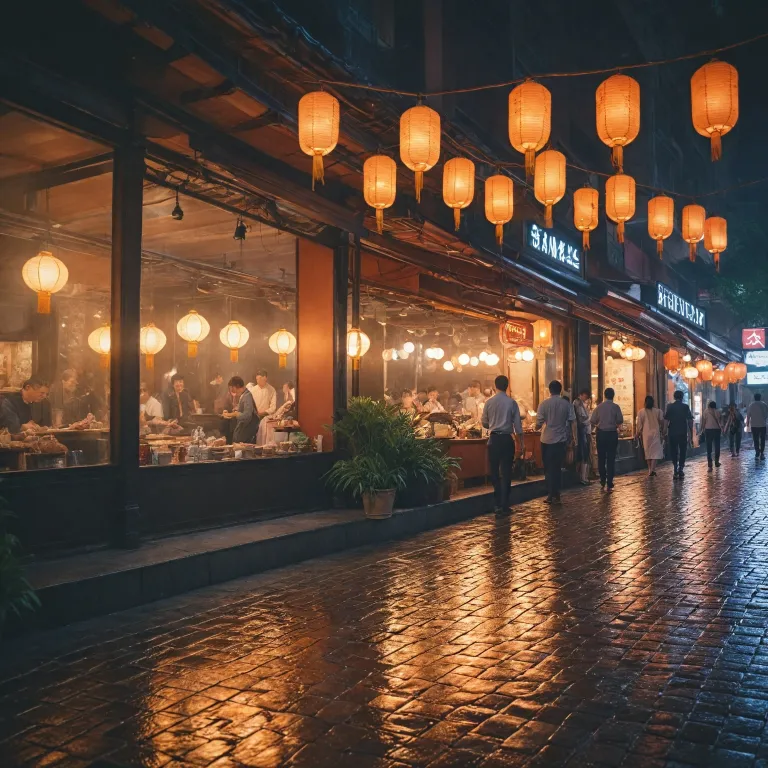
Luxury stays in taipei for travelers who love taiwan eats
Planning where to sleep in taipei shapes how you experience taiwan eats. When you stay in a luxury or premium hotel near a night market, every evening becomes a curated walk through taiwanese street food culture, with pork, beef, noodles, bao, and ice desserts only minutes away. Thoughtful concierges help you navigate each district, recommending the best food taiwan has to offer, from refined beef noodle restaurants to humble stalls serving gua bao and fried chicken.
Many high end properties now design taiwan eats themed itineraries that link hotel comfort with street adventure. Guests might start with artisan milk tea or bubble tea in the lobby lounge, then head out with a tailored map of nearby night markets and street food streets, highlighting where to eat the best pork belly gua bao, soy sauce braised snacks, and taro balls. This approach respects travelers who want both polished service and authentic street experiences in taipei, especially around famous areas like the raohe night market district.
Location remains the most strategic factor when booking a premium hotel for taiwan eats focused travel. Properties close to a major night market reduce transit time, so you can sample more street food stalls, from xiao long bao to fried sweet potato balls, before the night ends. In taipei, staying near raohe or another central market means you can return quickly to your room, enjoy a final cup of hot tea, and rest before another day of food taiwan exploration and things taipei like temples, museums, and waterfront walks.
Choosing taipei hotels near raohe night market and key food streets
For travelers who prioritize taiwan eats, proximity to raohe night market is a decisive booking criterion. This compact yet vibrant night market concentrates some of the best taiwan street food stalls, where pork pepper buns, beef noodles, and fried chicken share space with ice desserts and taro balls. Selecting a luxury hotel within a short walk allows you to move easily between refined hotel spaces and the lively street atmosphere of taipei after dark.
When evaluating options, study how each property connects to the surrounding district and its food taiwan highlights. Some hotels provide curated walking routes that pass signature raohe night stalls, guiding you from xiao long bao counters to gua bao stands and noodle soup specialists that simmer beef noodle broth with soy sauce and aromatic spices. A refined urban stay such as the Capital Hotel Songshan in taipei city places guests close to both the market and transport, making it easier to explore other night markets and things taipei like riverside parks.
Inside these premium hotels, lounges and restaurants increasingly echo taiwanese flavors that guests taste at each stall outside. Menus might feature elevated pork belly dishes, tea pairings inspired by traditional tea houses, and desserts referencing night market ice treats and sweet potato snacks. By night, you can eat at raohe night market, then return to your room for a quiet cup of milk tea or bubble tea, planning the next day’s travel to other districts known for beef noodle shops, street food streets, and the best food taiwan offers beyond taipei.
How luxury hotels curate taiwan eats experiences around night markets
Premium hotels in taipei increasingly act as gateways to taiwan eats rather than isolated urban retreats. Concierges collaborate with Taiwanese chefs and street vendors to highlight specific stalls at each nearby night market, from raohe to smaller neighborhood markets where taiwanese families regularly eat. This partnership helps guests identify which stall serves the best beef noodles, which one fries the crispiest chicken, and where to find delicate xiao long bao or gua bao filled with soy sauce braised pork belly.
Some properties design themed evenings that start with a short briefing on taiwanese food culture before guests step into the night. Staff explain how street food evolved across taiwan, how each district developed specialties, and why raohe night market remains a benchmark for balanced variety, from noodle soup counters to ice and taro balls stands. Guests then receive tasting cards listing recommended pork, beef, and sweet potato dishes, ensuring they eat confidently at each stall while still leaving room for milk tea or bubble tea.
Back at the hotel, chefs may reinterpret what guests ate at the night market using refined techniques like braised cooking and precise steaming. A casual bowl of beef noodle from a street stall might inspire a multi course tasting menu, while fried chicken flavors reappear as elegant canapés paired with high mountain tea. This dialogue between street and hotel kitchen deepens the taiwan eats experience, turning simple food taiwan moments into lasting travel memories and encouraging guests to explore more things taipei beyond the obvious attractions.
Balancing wellness, vegetarian choices, and indulgent taiwanese street food
Many travelers who love taiwan eats also seek balance between indulgence and wellness during their stay. Luxury hotels in taipei respond by offering lighter taiwanese dishes alongside access to night markets, so guests can eat richly yet still feel energized for urban travel. Breakfast buffets may feature vegetarian noodles, tea infused tofu, and fresh fruit to offset evenings filled with fried chicken, pork snacks, and ice desserts from every stall.
Taiwan has a notable vegetarian culture, and premium properties increasingly highlight plant based food taiwan options that echo street flavors without relying solely on pork or beef. Menus might reinterpret gua bao with marinated mushrooms, craft noodle soup with vegetable broth, or serve taro balls and sweet potato desserts that recall night market treats. This approach allows guests to enjoy taiwan eats in both singular and plural forms, alternating between hearty beef noodles at a raohe night market stall and lighter hotel dishes inspired by taiwanese temple cuisine.
Wellness focused travelers also appreciate how hotels integrate tea culture into relaxation rituals after a long night in the district. Lounges may serve curated tea flights that pair specific leaves with memories of xiao long bao, fried snacks, or milk tea and bubble tea enjoyed earlier. By framing taiwan eats as a holistic journey that includes mindful tea drinking, vegetarian options, and occasional indulgent street food, taipei hotels help guests maintain equilibrium while still tasting the best food taiwan offers across its many night markets and streets.
Designing a taiwan eats itinerary from your taipei hotel base
Creating a thoughtful taiwan eats itinerary begins with mapping how you move between hotel, district, and night market. Start by choosing a taipei property that offers easy access to at least one major night market, then plan additional evenings around other areas known for street food and beef noodle shops. From this base, you can schedule daytime visits to temples, museums, and tea houses, returning by night to eat at stalls serving pork belly gua bao, fried chicken, and ice desserts.
Many travelers underestimate how quickly time passes while exploring a single night market. To fully appreciate raohe night market, allow several evenings so you can sample different stalls without rushing through taiwan eats experiences, alternating between noodles, bao, and sweet potato snacks. Use your hotel concierge and resources such as this guide to taipei’s hotel scene and refined hospitality to align your travel schedule with specific food taiwan goals.
Structure your days so heavier meals like beef noodles or rich noodle soup appear earlier, leaving lighter street food and milk tea or bubble tea for later. Between tastings, return to the hotel to rest, enjoy tea, or swim, then head back out to another district or night market for more taiwanese flavors. By alternating intense street food sessions with calm hotel interludes, you transform taiwan eats from a rushed checklist into a layered journey through taipei’s neighborhoods, stalls, and the best food taiwan offers in both humble and luxurious settings.
How taiwan’s culinary culture enriches premium hotel experiences
Taiwan’s culinary history, shaped by Chinese, Japanese, and indigenous influences, underpins every taiwan eats moment you experience from a taipei hotel. This layered background explains why a single night market stall might serve noodles reminiscent of northern China beside taro balls and ice desserts with island character. Hotel chefs draw on the same heritage, using woks, steamers, and clay pots to reinterpret street food like xiao long bao, gua bao, and fried chicken for guests who value both authenticity and refinement.
Local partnerships with farmers, food markets, and culinary schools ensure that pork, beef, tea, and sweet potato ingredients meet high standards suitable for luxury travelers. As one expert explanation notes, “Taiwanese cuisine is a rich blend of Chinese, Japanese, and indigenous influences, characterized by diverse flavors and ingredients.” This perspective helps guests understand why beef noodle and noodle soup taste different in each district, and why soy sauce braised pork belly at a raohe night market stall can rival dishes served in polished hotel dining rooms.
For premium hotels, embracing taiwan eats also strengthens their role in cultural tourism and responsible travel. By guiding guests toward respected night markets, highlighting vegetarian food taiwan options, and celebrating milk tea and bubble tea alongside traditional tea service, they support local Taiwanese chefs and street vendors. Over time, this synergy between hotel and street stall elevates both, ensuring that things taipei such as night markets, taiwanese street food, and the best food taiwan traditions remain central to every refined stay on the island.
Key statistics about taiwan eats and culinary culture
- Approximately 14 % of the Taiwanese population practices vegetarianism, shaping how hotels and restaurants design taiwan eats menus for both locals and travelers.
- Taiwan counts around 6 000 vegetarian restaurants, giving taipei visitors abundant plant based food taiwan choices alongside pork, beef, and street food specialties.
Essential questions about taiwan eats for travelers
What are some must-try Taiwanese dishes?
Signature dishes include beef noodle soup, oyster omelette, stinky tofu, and bubble tea. From a taipei hotel, you can easily plan evenings at a night market stall to eat beef noodles, gua bao with pork belly, fried chicken, and ice desserts that represent the best food taiwan offers. Balance these rich taiwan eats with lighter noodle soup, tea, and vegetarian options that many luxury properties now highlight on their menus.
Where can I experience authentic Taiwanese street food?
Taiwan's night markets, such as Taipei's Shilin Night Market, offer a wide array of authentic street foods. In taipei, staying near raohe night market or other central districts lets you walk directly from your hotel to stalls serving xiao long bao, noodles, soy sauce braised snacks, taro balls, and sweet potato treats. These night markets form the heart of taiwan eats, turning every travel evening into a tasting journey through taiwanese street food culture.
How has Taiwanese cuisine been influenced by other cultures?
Taiwanese cuisine reflects Chinese, Japanese, and indigenous influences, resulting in a diverse culinary landscape. This blend appears in taiwan eats from hotel restaurants to street stalls, where pork, beef, tea, and noodle soup coexist with modern milk tea and bubble tea trends. Travelers staying in taipei luxury properties can taste these influences across multiple night markets and districts, deepening their understanding of food taiwan traditions during each stay.
References
- Ministry of Culture, Taiwan – official information on Taiwanese culinary heritage and cultural tourism.
- Taiwan Tourism Administration – guidance on taipei districts, night markets, and food taiwan travel planning.
- Taiwan’s Vegetarian Awakening and Taiwan's meatless success a vegetarian paradise – reports on vegetarian statistics and restaurant numbers.