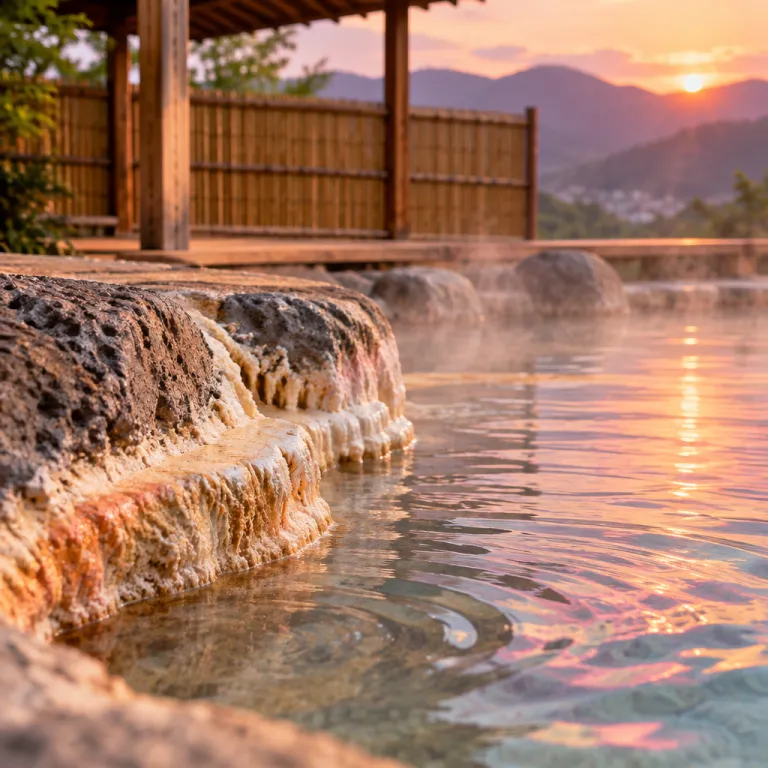
Beitou hot spring resort Taipei Taiwan as a refined urban escape
Beitou hot spring resort Taipei Taiwan represents a rare balance between nature and city comfort. In this historic hot spring area on Taipei’s northern edge, travellers can soak in mineral rich waters while staying minutes from central Taipei by MRT. The result is a spring city experience where wellness, culture, and refined service meet in one compact valley.
The heart of the Beitou hot spring resort Taipei Taiwan experience lies in its geothermal springs and the dramatic landscape of Thermal Valley. Here, the Beitou thermal pools steam against a backdrop of lush hills, with the famous “Hell Valley” creating an otherworldly scene of jade coloured water and rising mist. Around this valley, hot spring hotels and larger resort properties form a discreet city resort cluster that feels secluded yet remains fully connected to the wider Taipei city.
Luxury travellers choosing this hot spring district on the edge of Taipei often prioritise privacy and tailored wellness. Many Beitou spa hotels offer a private hot spring pool in selected suites, allowing guests to enjoy the waters without sharing public facilities. At the same time, refined Beitou public hot spring complexes and carefully managed communal pools give visitors a chance to experience local life in a safe, well regulated environment.
Understanding the Beitou hot spring area
The Beitou area sits on the northern edge of Taipei, framed by the slopes of Yangmingshan National Park. This location gives guests fast access to both the urban core and the green highlands of Yangmingshan, making it ideal for travellers who want a thermal retreat without sacrificing city exploration. The Xinbeitou district, centred around Xinbeitou MRT station, forms the main hub for hot spring resorts, cultural sites, and curated walking routes.
From the MRT station, a short walk leads to the main hot spring park, the Beitou Hot Spring Museum, and several historic ryokan style properties. The spring park itself is a landscaped green corridor that follows the course of the steaming creek, with footpaths, bridges, and shaded seating areas. This compact layout allows visitors to move easily between a museum, a spring city resort, and the dramatic Thermal Valley without needing private transport.
Because the area is so walkable, it rewards slow, attentive travel. Guests can start the day with a quiet stroll through the spring park, pause at the spring museum to understand the Japanese era heritage, then continue to a chosen resort for a private hot soak. In the evening, the same paths feel different again, with the sound of flowing springs and the soft lighting of city resort façades creating a calm, almost cinematic atmosphere. One local office worker described finishing a late shift, riding the MRT for twenty minutes, and stepping out into cool air scented with sulphur and camphor trees: “It feels like a mountain village, but my office is still just one train ride away.”
History, culture, and the Japanese legacy in Beitou
Long before Beitou became a modern city resort enclave, its hot springs were revered by local communities for their healing properties. The arrival of Japanese administrators transformed the area into a structured hot spring resort district, with carefully planned inns and public bathhouses. This Japanese influence still shapes the architecture, bathing etiquette, and overall rhythm of life in the Beitou hot spring area.
The Beitou Hot Spring Museum is the best starting point for understanding this layered history. Housed in a restored Japanese era bathhouse, the museum explains how Beitou’s bathing culture evolved from simple pools to sophisticated resort complexes. Exhibits detail how the original spring hotel designs combined Japanese wooden architecture with modern plumbing, creating a template that still inspires contemporary spa hotels in Taipei and across Taiwan.
Nearby, Plum Garden offers another window into the past. This elegant residence, once a retreat for a prominent calligrapher, sits slightly above the main hot spring corridor, overlooking the valley and the city below. Walking between Plum Garden, the spring museum, and the Beitou thermal valley, visitors can trace how the area shifted from a quiet hamlet to a recognised spring city destination that now attracts both domestic and international guests.
Seasonality and when to visit Beitou
Choosing the right moment to visit Beitou can significantly enhance a luxury stay. Cooler months highlight the contrast between the crisp air and the enveloping warmth of each hot spring pool, especially in open air baths overlooking the valley. Shoulder seasons, often overlooked by first time visitors, can offer softer light, fewer crowds, and more attentive service in both boutique inns and larger resort properties.
For travellers planning a broader Taiwan itinerary, pairing Beitou with other seasonal experiences in Taipei makes strategic sense. A detailed guide to the shoulder season in Taiwan, such as the insights shared in an insider look at September in Taiwan, helps guests align their Beitou hot spring resort Taipei Taiwan stay with festivals, milder temperatures, and more favourable room availability. This approach is particularly valuable for those seeking a refined city resort experience without the intensity of peak holiday periods.
Regardless of the month, the microclimate of the Beitou area remains shaped by its proximity to Yangmingshan National Park and the geothermal activity beneath the valley. Even on warmer days, early mornings and evenings feel pleasantly cool, making outdoor hot springs and semi open private baths comfortable. Luxury properties often adjust water temperature and operating hours seasonally, ensuring that both public facilities and in room hot spring tubs remain inviting throughout the year.
How to reach Beitou and plan your stay with ease
Access to the Beitou hot spring area is one of its strongest advantages for discerning travellers. From central Taipei, the MRT network delivers guests directly to Beitou station, where a simple transfer to the Xinbeitou MRT branch line completes the journey. This seamless connection means that a guest can leave a downtown meeting, board the MRT, and arrive at a tranquil thermal district in under an hour.
Xinbeitou MRT station functions as the gateway to most hot spring hotels and cultural sites. From this MRT station, guests can walk to the main spring park, the Beitou Hot Spring Museum, and several leading resort properties within 5 to 10 minutes. For travellers arriving from the airport, combining an airport hotel stay with a planned transfer to Beitou can create a smooth, low stress arrival, especially when using curated guides that outline Taipei airport hotel stays for seamless luxury travel.
Once in the Beitou area, many guests choose to rely on walking and the MRT for most movements. The compact layout around Xinbeitou, the clear signage to the Thermal Valley, and the proximity of Plum Garden and the spring museum make car hire unnecessary for short stays. For excursions to Yangmingshan National Park or other corners of Taiwan, concierge teams at leading resort properties can arrange private transfers, ensuring that the transition from Beitou serenity to wider city exploration remains effortless.
Pairing Beitou with other Taipei stays
For travellers planning several nights in Taipei, combining a central city hotel with a Beitou hot spring resort Taipei Taiwan stay creates a balanced itinerary. Many guests begin with a downtown property close to key attractions, then move to a spring hotel in the Beitou area for a quieter finale. This sequence allows visitors to experience both the energy of the city and the restorative calm of the valley.
Those who prefer a more social, design forward environment in the city centre can consider options highlighted in guides that profile elegant, community focused hostels and boutique hotels. After a few nights in a lively urban setting, transferring by MRT to Xinbeitou feels like stepping into a different rhythm, where hot springs, quiet streets, and the presence of Yangmingshan National Park define the pace. This contrast is particularly appealing for couples and solo travellers who value both cultural immersion and structured relaxation.
When planning, it is wise to allocate at least two nights in a Beitou thermal resort to fully benefit from the facilities. A single night allows for one long soak in a private bath and perhaps a short visit to the spring park, but a longer stay opens time for spa treatments, slow walks to Plum Garden, and unhurried visits to the spring museum. In every case, the proximity of the MRT station ensures that guests can still reach Taipei city restaurants, galleries, and shopping districts whenever they wish.
Choosing between public hot springs and private hot spring luxury
One of the defining choices in Beitou is whether to focus on public hot springs or invest in private hot spring experiences. Public facilities, including the Beitou public hot spring pools near the spring park, offer a social, community oriented atmosphere at a relatively low cost. These shared pools are carefully regulated, with clear rules on bathing attire, water temperature, and time limits, making them accessible even for first time visitors to Taiwan.
For guests seeking more seclusion, many spring hotels and larger resort properties provide in room hot spring tubs or private hot spring suites. These spaces allow couples, families, or solo travellers to enjoy the mineral rich waters at their own pace, often with views of the valley, the city, or the green slopes of Yangmingshan. In some city resort properties, guests can alternate between rooftop pools or gender separated bathhouses and fully private hot baths in their own rooms.
Luxury travellers often choose a combination of both experiences. A morning visit to a Beitou public hot spring can provide a sense of local life and tradition, while an evening soak in a private hot bath at a spring hotel offers quiet reflection. This layered approach reflects the broader character of the Beitou hot spring resort Taipei Taiwan environment, where public spaces, cultural sites, and discreet resort enclaves coexist within a compact, walkable area.
Etiquette and wellness benefits
Understanding local etiquette enhances any visit to hot springs in Beitou. Guests should shower thoroughly before entering any hot spring pool, whether in a public facility or a private bath, and avoid using cameras or phones in shared spaces. Many spring hotels provide clear guidance in multiple languages, ensuring that international visitors can respect local customs while enjoying the waters.
The geothermal waters of the Beitou thermal valley contain minerals that many guests associate with relaxation and skin benefits. While individual responses vary, spending short intervals in hot springs, followed by cool down periods, is generally recommended by wellness professionals. In luxury resort settings, spa teams often combine hot spring sessions with massages, facials, and light meals, creating a holistic wellness programme that extends beyond the pools themselves.
For travellers with specific health conditions, consulting a medical professional before extended hot spring use is prudent. Some properties in the Beitou area provide guidance on water temperature, recommended duration, and suitable facilities for different needs. This attention to detail reinforces the reputation of Beitou as a spring city where wellness is approached thoughtfully, rather than as a simple leisure activity.
Nature, walking routes, and Yangmingshan National Park
Beitou’s appeal extends beyond its hot springs into the surrounding hills and protected landscapes. The proximity of Yangmingshan National Park means that guests can combine a morning hike with an afternoon soak in a spring hotel pool. This combination of active exploration and thermal relaxation is one of the reasons the Beitou hot spring resort Taipei Taiwan cluster is so highly regarded among nature oriented travellers.
From the Xinbeitou area, several gentle walking routes follow the steaming creek up towards the Thermal Valley and beyond. These paths pass by the spring park, the Beitou Hot Spring Museum, and shaded viewpoints where visitors can pause to watch steam rising from the water. More ambitious hikers can arrange transport from the MRT station or their resort to higher trailheads within Yangmingshan National Park, where routes range from short loops to longer ascents with panoramic views of Taipei city.
After time on the trails, returning to a city resort in Beitou feels especially rewarding. Many spring hotels offer late afternoon access to their hot spring pools, allowing guests to ease tired muscles in mineral rich waters. In some properties, open air baths frame views of the valley and the distant skyline, reminding visitors that they are enjoying both a mountain retreat and an urban stay within the same compact area.
Green spaces within the Beitou valley
Not every guest wishes to undertake a full hike in Yangmingshan, and the Beitou area caters well to gentler preferences. The central spring park provides level paths, benches, and landscaped greenery, making it ideal for relaxed strolls between soaks. Families, older travellers, and those adjusting to Taiwan’s climate often appreciate the ability to enjoy nature without leaving the immediate resort zone.
Plum Garden, set slightly above the main hot spring corridor, offers a quieter, more contemplative green space. Its traditional architecture, surrounding trees, and views over the valley create a sense of stepping back in time, especially when combined with a visit to the nearby spring museum. Together, these sites demonstrate how the Beitou thermal landscape has been shaped not only by geology but also by careful urban planning and cultural preservation.
For photographers and design enthusiasts, the interplay between hot, rising steam, cool stone, and lush vegetation is particularly compelling. Early mornings in the spring park, when the air is still and the first visitors arrive from the MRT station, often provide the best light. At these times, the Beitou hot spring resort Taipei Taiwan environment feels both intimate and expansive, with the valley, the city, and the distant outline of Yangmingshan forming a single, coherent scene.
Curating a luxury stay: room types, services, and booking tips
Choosing the right property in Beitou requires clarity about personal priorities. Some travellers seek a full scale resort with multiple restaurants, extensive spa facilities, and large hot spring complexes, while others prefer smaller spring hotels with a more residential feel. In both cases, the defining feature of a Beitou hot spring resort Taipei Taiwan stay is access to quality hot spring water, whether through shared pools or private hot tubs.
When comparing room types, pay close attention to whether a private hot spring bath is included. Suites with in room Beitou spring water often command a premium, but they transform the stay into a deeply personal ritual, especially in the early morning or late evening. Guests who are comfortable using public facilities may opt for rooms without private tubs, focusing instead on access to larger pools, saunas, and relaxation lounges within the resort.
Service levels also vary across the Beitou area. Higher end city resort properties such as Grand View Resort Beitou, Hotel Royal Beitou, or Gaia Hotel typically offer multilingual concierge teams, curated local experiences, and thoughtful touches such as complimentary access to the spring museum or guided walks to Plum Garden. When booking, it is worth confirming check in times, pool access hours, and any dress codes for public facilities, ensuring that the stay aligns with personal routines and expectations.
Practical booking strategies for Beitou
Because Beitou is popular with both Taipei residents and international visitors, demand can spike around weekends and holidays. Travellers who value quiet often choose midweek stays, when hot spring facilities feel more spacious and staff have more time for personalised service. Booking at least several weeks in advance is advisable for peak periods, especially when seeking specific room types with private hot spring baths.
Flexible travellers may find value in shoulder season promotions, when some spring hotels offer packages that include meals, spa treatments, or guided visits to the Thermal Valley and Yangmingshan National Park. These offers can enhance the overall experience while keeping costs aligned with expectations for a premium stay in Taiwan. Reading recent guest feedback and consulting specialist Taipei accommodation guides helps ensure that the chosen resort matches current standards, as properties in the Beitou area occasionally renovate pools or adjust services.
Finally, consider how Beitou fits into a wider Taiwan itinerary. Some guests pair a Beitou thermal retreat with time on the east coast, in Taroko Gorge, or in the southern city of Kaohsiung, using Taipei as a transport hub. Others treat the Beitou hot spring resort Taipei Taiwan cluster as their primary base, making day trips into the city and up to Yangmingshan while returning each evening to the calm of the valley. In both scenarios, the combination of MRT access, refined hot spring facilities, and a rich cultural landscape makes Beitou a compelling choice for luxury and premium travellers.
Key figures and travel statistics for Beitou and Taipei
- According to Taipei City Government tourism data, Beitou District consistently ranks among the top visited districts in the city, with several million visitor entries recorded annually, underscoring its status as a leading hot spring and cultural area (see Taipei City Government Department of Information and Tourism annual statistics, for example the “Tourism Statistics” yearbooks).
- Taipei Metro reports average daily ridership in the millions across the network, and the Xinbeitou MRT branch line benefits from this connectivity, making Beitou one of the most accessible hot spring districts in East Asia by urban rail (based on Taipei Rapid Transit Corporation ridership reports such as the “Monthly Ridership Statistics”).
- Yangmingshan National Park, which frames the Beitou valley, receives several million visitors per year according to Taiwan’s national park authorities, highlighting the strong demand for combined nature and city resort experiences (refer to Yangmingshan National Park Headquarters visitor statistics published in its annual reports).
- Surveys by Taiwan’s Tourism Administration indicate that hot springs rank among the top leisure motivations for domestic travellers, with a significant share of respondents naming Beitou as their preferred hot spring destination near Taipei (as reported in Tourism Administration market surveys on domestic travel behaviour).
- Average hotel occupancy rates in Taipei often exceed 70 percent during peak travel periods, and premium hot spring hotels in Beitou typically track or surpass this figure, especially on weekends and holidays (based on aggregated data from the Tourism Administration and Taipei City hotel industry reports on room occupancy).
FAQ about Beitou hot spring resort Taipei Taiwan
Is Beitou suitable for a short luxury stay from central Taipei ?
Yes, Beitou is ideal for a one or two night luxury escape from central Taipei. The MRT connection via Beitou station and Xinbeitou MRT station makes transfers quick, while spring hotels offer facilities that can be fully enjoyed even on a short stay. Many travellers schedule a city break followed by a compact Beitou hot spring resort Taipei Taiwan retreat.
Do I need to book a room with a private hot spring bath ?
Booking a room with a private hot spring bath is not essential, but it significantly enhances privacy and flexibility. Guests who are comfortable using Beitou public hot spring facilities may choose standard rooms and rely on shared pools. Those seeking a more intimate experience often prefer suites with in room Beitou spring water.
How long should I stay in Beitou to enjoy the main attractions ?
A two night stay is usually sufficient to enjoy the Thermal Valley, the spring park, the Beitou Hot Spring Museum, and Plum Garden, while still having ample time for hot spring sessions. Shorter one night visits are possible but feel more compressed, especially if you plan to explore Yangmingshan National Park. Longer stays suit travellers who want to balance city exploration with repeated wellness treatments.
Are the public hot springs in Beitou suitable for first time visitors ?
Public hot springs in Beitou are well organised and suitable for first time visitors, with clear signage and staff guidance. Facilities such as the Beitou public hot spring pools near the spring park follow strict hygiene and safety standards. Visitors who prefer more privacy can choose spring hotels that offer both public hot pools and private hot baths.
Can I combine a visit to Beitou with hiking in Yangmingshan National Park ?
Combining Beitou with hiking in Yangmingshan National Park is highly recommended. Many travellers spend the morning on trails within Yangmingshan, then return to a city resort or spring hotel in Beitou for an afternoon soak. Hotel concierges can arrange transport to trailheads and advise on routes that match your fitness level and schedule.