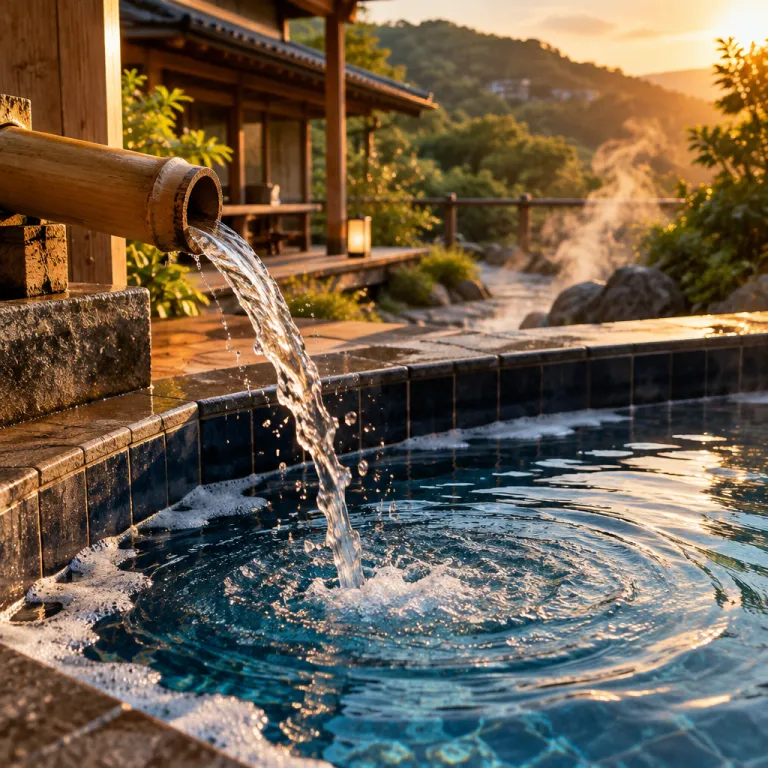
Section 1 – Why Beitou is the refined heart of hot springs in Taiwan
Among all hot spring districts in Taiwan, Beitou stands out for effortless access and refined comfort. This compact thermal area sits on the northern edge of Taipei City, where volcanic energy, Japanese-era architecture, and contemporary spring hotels blend into one elegant resort landscape. Travellers who value time, privacy, and attentive service find that a Beitou hot spring stay combines urban convenience with a genuine sense of retreat.
The district’s story begins with the naturally hot spring sources that bubble up from the surrounding mountains and flow down toward the city. Early Japanese developers shaped Beitou’s thermal culture into orderly spring parks, wooden bathhouses, and the first generation of spring hotels that still influence today’s luxury spring resort designs. Walking between the station, the park, and the valley, you sense how the entire area has been planned around water, wellness, and calm.
For guests comparing hot springs in Taiwan, Beitou offers a rare mix of public hot spring pools, private hot spring suites, and discreet spring resort properties. You can soak in a simple public hot spring bath for a small fee, then return to a spring hotel where your own stone tub is filled with mineral-rich water directly from the source. This flexibility makes Beitou hot springs ideal for both first-time visitors and seasoned wellness travellers who expect the best balance of authenticity and comfort.
Section 2 – From Xinbeitou MRT station to Thermal Valley in one elegant stroll
Arriving at Xinbeitou MRT station, you step directly into the heart of the Beitou hot spring area. The short branch line from central Taipei City makes the journey to these hot springs in Taiwan Beitou feel almost effortless, with trains running frequently and clear signage in English and Chinese. Within minutes of leaving the MRT station you are already passing the spring park, the spring museum, and the first spring hotels that line the gentle slope toward the valley.
The walk from Xinbeitou MRT to Thermal Valley takes around ten to fifteen minutes at a relaxed pace. Along the way you cross small bridges where steam rises from the hot spring stream, and you notice how each spring resort uses stone, wood, and concrete in different ways to frame the water. Design-focused travellers may appreciate reading about the material palette shaping Taiwan’s new hotels in this detailed guide on concrete, cypress, and coral stone architecture before choosing a Beitou thermal property.
Thermal Valley itself is one of the best-known hot springs in Taiwan, a jade-coloured pool where water can reach near-boiling temperatures. According to Taipei City tourism information, source temperatures often range from roughly 80 to 100 degrees Celsius, which explains why this dramatic valley is reserved for viewing rather than bathing. Plan your time so you can enjoy the valley, the nearby spring park, and a leisurely soak at either a public hot spring facility or a private hot spring suite in your chosen spring hotel.
Section 3 – Choosing between public hot springs and private luxury retreats
One of the main decisions when planning a stay around hot springs in Taiwan Beitou is how you prefer to bathe. The Beitou public hot spring facilities offer communal pools that are separated by gender or require swimwear, giving a social and affordable way to experience the mineral-rich water. In contrast, a spring resort or high-end spring hotel provides private hot spring rooms or suites, where you can control the temperature, lighting, and time of your soak.
Public hot spring pools in the Beitou area are usually located near the spring park and the main museum buildings, making them easy to reach on foot from Xinbeitou MRT. These public hot springs are ideal if you have limited time in Taipei City and want a quick, authentic experience between other urban visits. Typical entry fees are modest, often in the range of a few hundred New Taiwan dollars for a timed session, while day-use private rooms in mid-range spring hotels commonly start from around NT$1,500 to NT$2,500.
For travellers who prefer quiet, privacy, and tailored service, the best choice is often a spring resort that offers in-room tubs, onsen-style pavilions, and attentive staff who can guide you through bathing etiquette. Many luxury spring hotels in Beitou now integrate sustainability into their operations, from energy-efficient heating systems to careful water management. If you value eco-certified stays, it is worth reading about Taiwan’s low carbon hotel labels in this overview of eco certified hotels and what the labels mean before you book. Combining a private hot spring suite, responsible operations, and proximity to the national park trails around Yangmingshan National Park creates a stay that feels both indulgent and thoughtful.
Section 4 – Culture, museums, and historic villas around Beitou hot springs
Beyond the baths themselves, the cultural layer around hot springs in Taiwan Beitou adds depth to any stay. The Beitou Hot Spring Museum, often simply called the spring museum, occupies a restored Japanese-era bathhouse that once served as a grand public hot spring facility. Inside this museum you can walk through former bathing halls, learn how the city promoted health tourism, and see how early spring hotels shaped the area’s reputation.
Nearby, the Beitou Museum presents a different angle, focusing on Taiwanese art, tea culture, and the relationship between the hot spring landscape and local creativity. Many guests pair a visit to the Beitou museum with a stroll through Plum Garden, a historic villa that once hosted political and cultural figures seeking quiet near the hot springs. One frequent visitor describes arriving on a cool winter morning, soaking in a small outdoor pool, then stepping straight into Plum Garden’s wooden corridors still wrapped in steam from the bath. These sites are all within comfortable walking distance of the main park, making it easy to combine culture, nature, and bathing in a single day.
For travellers who appreciate refined city stays before or after their time in Beitou, an elegant Taipei City property such as the Royal Biz Taipei offers a contrasting urban experience. You can read a detailed review of this refined city hotel on this guide to an elegant city hotel for refined stays in Taiwan’s capital, then plan how to split your nights between downtown and the hot spring area. Balancing a central city hotel with a Beitou thermal retreat allows you to enjoy both Taipei’s energy and the calm of the springs without long transfers.
Section 5 – Nature, parks, and day trips from Beitou’s spring hotels
Staying near the hot springs in Taiwan Beitou also places you close to some of northern Taiwan’s most appealing green spaces. The main spring park in front of the museum offers a gentle introduction, with walking paths, foot baths, and shaded benches where you can rest between soaks. From here, it is easy to plan longer excursions into Yangmingshan National Park, a mountainous area known for fumaroles, hiking trails, and seasonal flower displays.
Many spring hotels and spring resorts in Beitou can arrange transfers or give clear directions to Yangmingshan National Park, which lies only a short drive or bus ride from the hot spring district. According to park statistics, Yangmingshan records more than 4 million visits annually, making it one of Taiwan’s most visited national parks and a major draw for hot spring guests. This proximity allows you to spend the morning on a trail with views over Taipei City, then return in the afternoon to a private hot spring bath that soothes tired legs.
Within the Beitou area itself, you will also find smaller parks and free public spaces where the presence of hot water shapes the landscape. Some paths follow the hot spring stream as it flows from Thermal Valley down toward the city, passing under bridges and beside traditional pavilions. Even if you only have a few hours between MRT connections, a short visit to the park, the valley, and a public hot spring pool can give you a meaningful sense of this thermal city retreat.
Section 6 – Practical planning tips for a seamless Beitou hot spring stay
Planning a stay around hot springs in Taiwan Beitou is straightforward when you understand the layout of the district. Most visitors arrive via the MRT, changing at Beitou station to the short branch line that ends at Xinbeitou MRT, which is the closest station to the main spring park and museum. From this MRT station, you can walk to many spring hotels, public hot spring facilities, and the path that leads to Thermal Valley without needing a taxi.
When choosing between different spring hotels and spring resorts, consider how much time you plan to spend in your room versus exploring the area. If you expect to soak several times a day, a spring hotel with a spacious private hot spring tub and views over the valley or the park may justify a higher rate. As a rough guide, mid-range Beitou properties often start around NT$3,000 to NT$4,500 per night on weekdays, with premium suites and weekends priced higher. Travellers who mainly want to visit the museum, stroll through Plum Garden, and try a public hot spring bath might prefer a simpler property close to the station, saving budget for dining and city experiences.
Many Beitou thermal properties offer day-use packages that include a private hot spring session, a set meal, and sometimes access to spa facilities. These options are ideal if you are based in central Taipei City and want to visit Beitou hot springs without staying overnight, especially when your schedule is tight. Whatever you choose, booking ahead during weekends and holidays is wise, because the best-located spring hotels and the most popular public hot spring pools can fill quickly.
Key figures about Beitou hot springs and tourism
- The Taipei City government reports that Beitou District receives several million visitor entries each year, with a significant share concentrated around the Xinbeitou hot spring area and nearby museums.
- Yangmingshan National Park, located just above Beitou, records more than 4 million visits annually according to park statistics, making it one of Taiwan’s most visited national parks and a major draw for hot spring guests.
- Average hot spring water temperatures in Beitou’s Thermal Valley range from roughly 80 to 100 degrees Celsius at the source, which explains why the valley is reserved for viewing rather than bathing.
- Travel time from Taipei Main Station to Xinbeitou MRT station is typically around 30 to 40 minutes by metro, allowing many travellers to plan Beitou as a half-day or full-day trip from central hotels.
- Public hot spring facilities in Beitou often charge modest entry fees that are significantly lower than private room rates, giving budget-conscious visitors an accessible way to experience the hot springs.
FAQ about Beitou hot springs in Taiwan
How do I get from central Taipei to Beitou hot springs ?
From central Taipei City, take the Tamsui Xinyi MRT line to Beitou station, then transfer to the short branch line that terminates at Xinbeitou MRT station. The entire journey usually takes around 30 to 40 minutes depending on your starting point. From Xinbeitou, most spring hotels, public hot spring pools, and the main spring park are within a ten to fifteen minute walk.
Are Beitou hot springs suitable for a day trip only ?
Beitou hot springs work very well as a day trip, especially if you are staying in a central Taipei hotel. You can arrive by MRT in the morning, visit the spring museum and Thermal Valley, enjoy a public hot spring soak, and return to the city by evening. However, staying overnight in a spring resort or spring hotel allows more relaxed bathing and time to explore nearby Yangmingshan National Park.
What is the difference between public and private hot spring baths in Beitou ?
Public hot spring baths in Beitou are shared facilities that may be gender separated or require swimwear, and they usually charge a modest entry fee for timed sessions. Private hot spring baths are located inside hotel rooms or reserved suites, giving you exclusive use of the tub and more control over temperature and ambience. Travellers who value privacy, quiet, and flexible bathing times often prefer private hot spring options in spring hotels or resorts.
Is there an entrance fee for Thermal Valley and the Beitou Hot Spring Museum ?
Thermal Valley typically has either free entry or a very low fee, making it easy to include in any visit to the Beitou area. The Beitou Hot Spring Museum also charges either no fee or a small amount, depending on current policies set by Taipei City authorities. These low or free entry costs allow travellers to allocate more of their budget to spring hotels, dining, or spa treatments.
When is the best time of year to visit Beitou hot springs ?
The cooler months are generally considered the best time to enjoy hot springs in Taiwan Beitou, because the contrast between the air and water temperatures feels especially pleasant. That said, many spring hotels adjust water temperature and offer evening sessions, so you can still enjoy a soak during warmer seasons. If you plan to combine bathing with hikes in Yangmingshan National Park, check weather forecasts and avoid days with heavy rain or potential typhoon conditions.